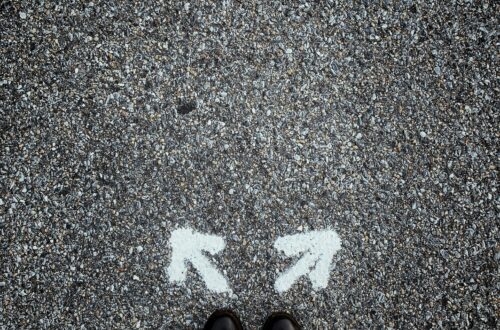








Thomas Sowell once said there are no solutions, only trade offs. That thought hits hard because it feels both frustrating and freeing at the same time. We like to believe that if we just try hard enough, if we make the right plan, we can fix things once and for all.
But life is not built that way. Existence itself is a system, and systems always look for balance.
A system, at its core, is simply a set of parts working together. Nature is a system. Society is a system. Even your own body is a system. And in every system, gains in one area mean adjustments in another. If one part pulls too hard, the rest gets stretched thin. If one part grows too fast, something else shrinks to make space.
It’s not a flaw; it’s the rule that holds everything together.
Think about nature for a moment. We like sunny days, but if it never rained, crops would wither and rivers would dry. Storms can be destructive, but without them forests wouldn’t renew themselves and soil wouldn’t stay fertile. The balance between sun and rain, calm and storm, is what makes the whole system liveable. Push too far in one direction, and the balance starts to break.
The same truth shows up in our personal lives. A person who spends all their energy at work might get the promotion, but their health suffers, or their relationships fray. Someone who chases comfort all the time may enjoy the couch but eventually discovers their body is giving out. Neither extreme holds up because the system of a human life needs work and rest, discipline and joy, solitude and connection. Each piece is tied to the others.
Communities work the same way. A town that pours all its resources into building highways might move cars quickly, but the air grows dirty and the neighborhoods lose their trees. A school that only teaches answers to the test may raise its scores but lose the spark of curiosity in its students.
Push one side too hard and another side gives way. The trick is not in pretending balance is optional but in realizing it is already baked into how things function.
The problem is, we don’t like balance. We like more. More money, more convenience, more progress. But “more” always takes from somewhere else. It may not be visible right away, but the bill always arrives. Nature is a patient bookkeeper. If we cut down too many forests, the climate changes. If we drain the soil, the crops stop growing. If we flood the internet with constant noise, we end up struggling to hear each other. Balance may bend for a time, but it always corrects itself.
Even our own bodies remind us of this. Eat too much sugar and the system swings out of line until fatigue, illness, or weight gain shows up to push it back. Ignore sleep and the body starts shutting down your focus whether you like it or not. The balance inside us is not asking for permission. It just is.
Once you start noticing this, you realize the chase for perfect solutions is a kind of misunderstanding. There is no final fix. There is only movement, adjustment, give and take. That might sound discouraging at first, but it also opens the door to a more grounded way of living. Instead of demanding that life bend to our plans, we can learn to live within its balances.
Think of it like standing in a canoe. You cannot freeze in one position and expect the boat not to tip. You have to shift your weight with the water, leaning here, steadying there. It is constant, but it becomes natural once you accept it. Balance is not a point you reach, it is the act of adjusting.
In a way, this is what maturity looks like. A child thinks in absolutes: “I want all the candy.” An adult understands that too much candy brings a stomachache. A child wants the bright side of every deal. An adult knows the shadow comes with the light. Growing up means making peace with systems.
There’s also a kind of humility in it. When you recognize that systems demand balance, you stop believing you can control everything. You stop assuming you can keep taking without giving back, or keep pushing without some push-back in return. That humility makes you more patient. It makes you notice the rhythms of your own life, of your community, of the world around you.
So maybe the point is not to chase “solutions” as if one day everything will fall into place and stay there forever. Maybe the point is to learn how to live inside the balancing act. That doesn’t mean doing nothing; it means adjusting when things lean too far one way. It means noticing when the seesaw dips and being willing to shift your weight.
This way of living does not promise perfection, but it does promise steadiness. It does not save you from loss, but it helps you understand loss as part of the system that allows other things to grow. It does not give you control, but it gives you perspective.
In the end, balance is not something we invent. It’s already present in the systems we live inside. Our task is not to conquer it but to respect it. Once we do, life starts to feel less like a fight against the tide and more like learning how to move with the current. And that is not defeat; it is wisdom.
Join us in making the world a better place. You’ll be glad that you did.
Cheers friends.