







In the years since World War II, a slow but deliberate shift has taken place. Once, Americans prided themselves on self-sufficiency. They built their own homes, repaired their own cars, grew their own food. Now, nearly every aspect of daily life has been outsourced.
We order takeout instead of cooking. We hire contractors for repairs we could learn to do ourselves. Even our thinking (our opinions, our beliefs) seems to be curated for us, shaped by a steady stream of information from sources we seldom question.
This transition was not abrupt. It crept in quietly, disguised as progress. The rise of global commerce, the speed of communication, the efficiency of modern logistics; all of it made life easier. Why spend hours on something when an expert can do it faster? Why struggle with the unknown when the answer is a click away? The argument for convenience was compelling, and most of us didn’t stop to ask what it might cost us in the long run.
The cost, as it turns out, is steep. We have lost not only practical skills but also something deeper; a sense of autonomy, of personal agency.
The more we rely on external systems, the less control we have over our own lives. The supply chain falters, and grocery store shelves empty overnight. A power outage shuts down digital banking, and suddenly, money is inaccessible. A shift in economic winds, and the job market tightens, leaving those without adaptable skills struggling to stay afloat.
But this is not just about survival. It is about understanding what we have traded away. There is a quiet satisfaction in repairing what is broken, in making something with our own hands, in knowing that we are capable. These things connect us to our ancestors, to the land, to the basic rhythms of life that technology has blurred but not erased.
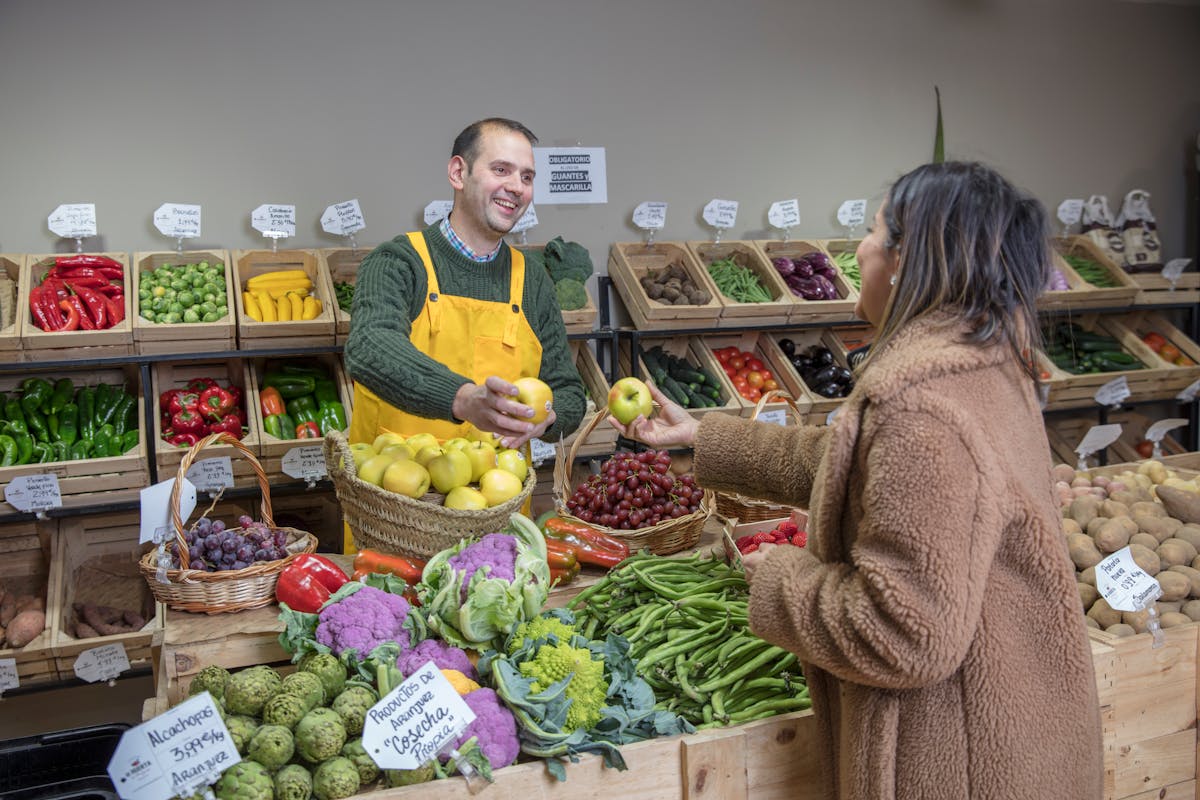
The way forward is not a call to abandon modern life but to reintroduce balance. We can start small. Learn to grow a few vegetables. Fix something instead of replacing it. Read deeply and critically instead of skimming headlines. Take ownership of the things we rely on, even in minor ways, and understand their value.
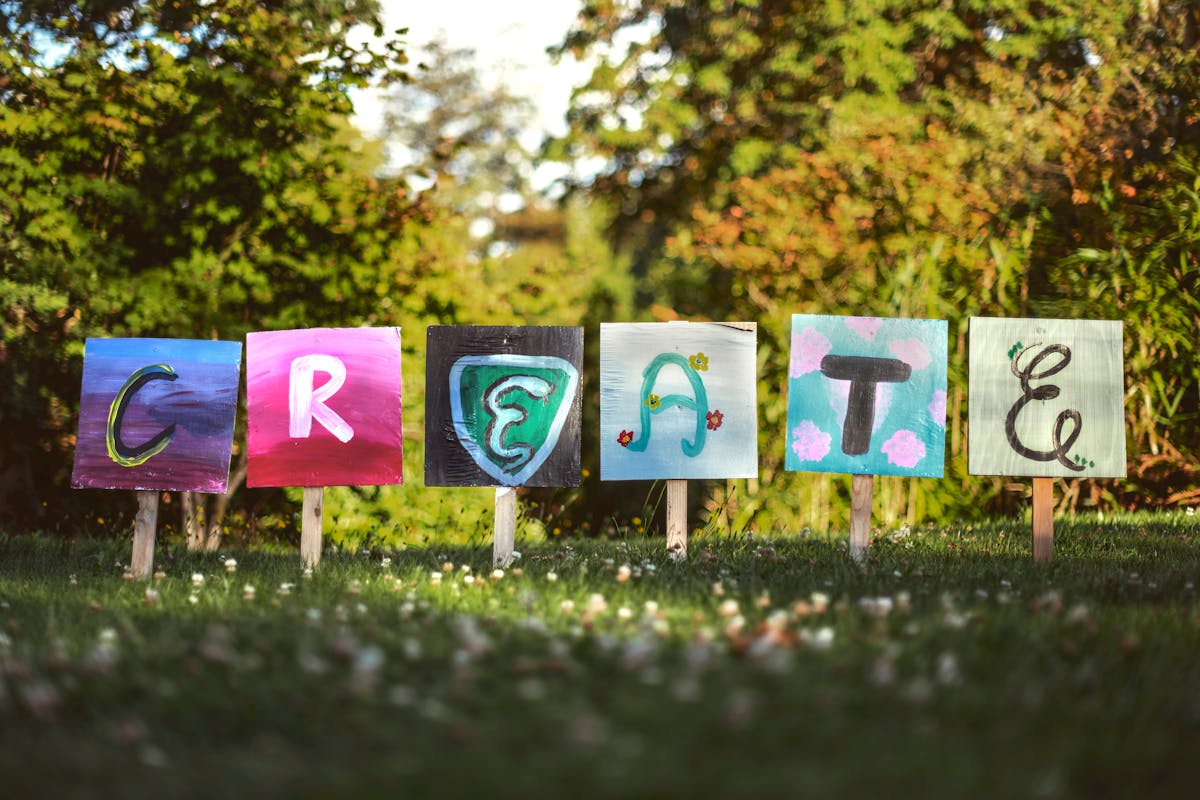
Because self-sufficiency is not about rejecting progress. It is about ensuring that, when the world shifts, as it inevitably does, we are not left helpless. It is about remembering that we are not just consumers, but creators, builders, and thinkers. And that, perhaps, is the most valuable skill of all.
Join us in making the world a better place – you’ll be glad that you did. Cheers friends.