We are surrounded by so much, and yet we enjoy so little.
Our homes are filled, our calendars are full, our options are endless. And still, many of us sit in front of our televisions, flipping through a thousand movies, only to sigh and say, “There’s nothing to watch.” We stand in our kitchens, staring aimlessly into cabinets stuffed with food, and feel nothing like satisfaction. In the wealthiest moment of human history, abundance has become a form of deprivation.
It wasn’t always like this. After World War II, the world rebuilt itself on the promise of prosperity. Industry boomed. Factories churned. Consumption became patriotic. Over time, the engine of growth turned into something else entirely; a machine that no longer served us but demanded more and more from us. More production. More buying. More discarding.
Now we live in the world that engine built. It’s a world where quality gave way to quantity, where we buy things, with no intention of them lasting, but to be soon replaced. Our clothes are thin, our furniture disposable, our electronics obsolete the moment we open the box. We no longer fix things. We upgrade them. Or toss them out.
Sometimes I wonder if we ever truly owned anything at all. I may have paid off my house, but I still rent it from the county tax assessor. I rent my health from an insurance company, and even this very blog from a hosting service. We’re sliding headfirst into what they now call the “access economy” – a world where nearly everything in our lives is leased, disposable, and designed to be replaced.
Walk through a Walmart or scroll through Amazon, and the effect is dizzying. You can buy a chair, a blender, a tent, a cat fountain, a Japanese snack box, a novelty mug, a set of fake eyelashes, a meditation cushion, and a 10-pound bag of gummy bears all before breakfast. Each item feels cheap—because it is. And because it’s cheap, it doesn’t matter. None of it carries the gravity of real value.
We are drowning in choice, and it’s making us numb.
I remember when laserdiscs first came out. You’d go to the local video store (remember those?) and marvel at the dozens of titles lining the walls. Dozens. Not thousands. You would read the back of the case, maybe argue with a friend about which movie to rent, and walk home feeling lucky. There was real joy in that experience. There was focus. There was something to anticipate.
Now I sit in front of four streaming platforms and somehow feel less entertained. With a million titles at my fingertips, I feel paralyzed. And bored. The same is true for food, for fashion, for travel. When everything is possible all the time, nothing feels particularly special.
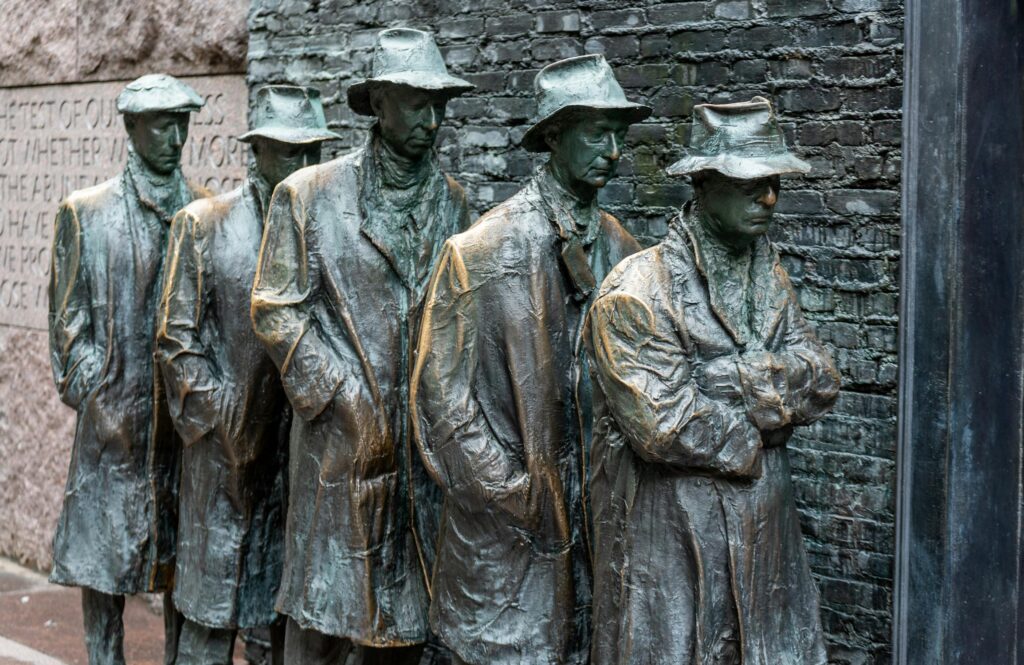
The truth is, when things are hard to get, we care about them more. We savor them. We mend them. We make them last. During the Great Depression, people didn’t just wear clothes; they patched them. They didn’t just buy food; they grew it. When things were scarce, they became meaningful.
Today I live alone in a 1,200-square-foot house and pay $254/month for a 200-square-foot storage unit filled with things I’ll never use. I have shelves of books I won’t read. Closets filled with clothes I don’t wear. I buy things out of habit, out of boredom, out of some belief that maybe, just maybe, this next item will finally bring satisfaction. It never does. But still I click “Add to Cart.”
Sometimes I think what we need isn’t more convenience or innovation. Sometimes I think what we need is less. Maybe even a lot less.
That’s a dangerous thing to say, of course. No one wishes for another Great Depression. The human suffering of the 1930s was real, and it left deep scars. But it also left behind values we have since lost: resilience, thrift, gratitude. It forced people to think long and hard about what they needed, and even longer about what they truly wanted.
If another economic collapse came, and it very well might, maybe it would reset something in us. Maybe, forced to choose, we’d finally remember how to choose well. Maybe we’d rediscover joy not in quantity but in quality. In the handful of things we cherish, not the mountain of things we barely notice.
We don’t need to glorify hardship. But we should remember what hardship teaches. In a world addicted to more, the only antidote might be less.
If another depression comes, and our incomes shrink, and our shopping slows, and our streaming services dwindle down to just one or two good movies we actually look forward to watching, maybe that won’t be the end of the world.
Maybe it will be the beginning of something better.
Join us in making the world a better place – you’ll be glad that you did. Cheers friends.