








There was a time when money had weight. It clinked when dropped on a table and carried the cold glint of metal or the soft polish of worn shells passed from hand to hand.
It felt real in the way fire or stone feels real, as though it was part of the world rather than something invented. Gold, silver, copper, each coin told its own quiet story of labor and distance. To hold it was to know what you possessed.
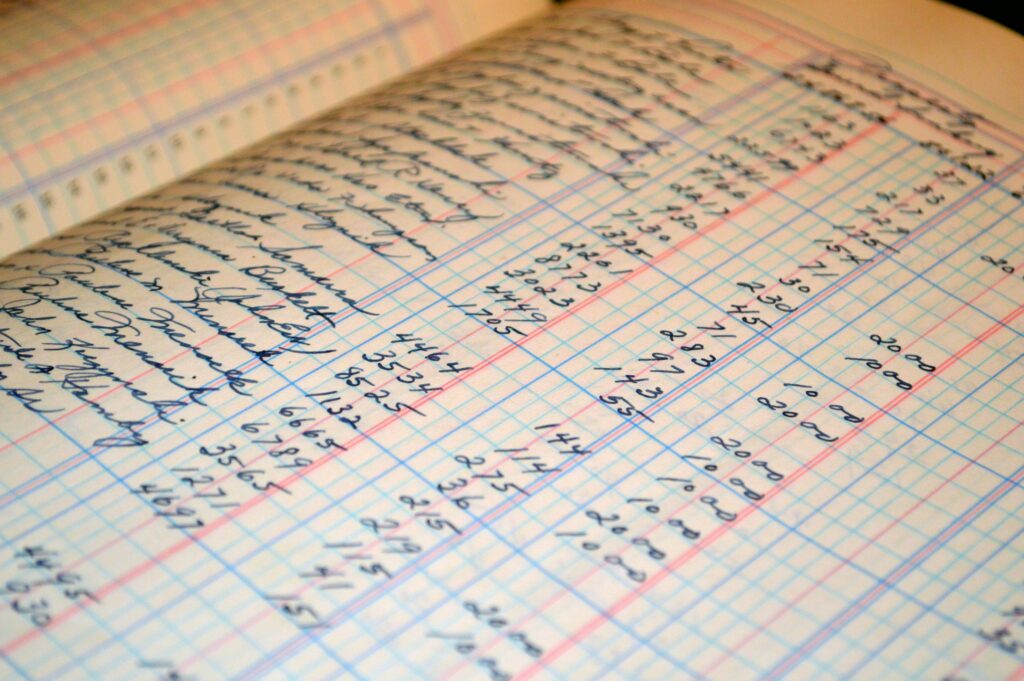
But somewhere along the long road of history, people began to trade weight for trust. The Knights Templar, in their service to pilgrims journeying toward the Holy Land, stumbled upon a powerful idea: that money could be left in one place and drawn from another, not as coins but as entries in a ledger. It was safer than carrying gold through bandit country, and it worked because everyone involved agreed to believe in it. That subtle shift cracked open the old idea of money and let abstraction seep in.
The Medici saw the same potential centuries later and raised it to an art. They were not just bankers but architects of power, weaving webs of credit that stretched across cities and kingdoms. They showed how influence could be built not from what one held but from what one could promise. The coin became a number, the number became a symbol, and the symbol grew more powerful than the gold it once represented. It was elegant, even beautiful in its design, and yet it also untethered money from the ground beneath our feet.
Today the system they helped set in motion has become almost ethereal. Most of the world’s wealth exists only as shifting digits on screens, flowing across continents in an instant, belonging everywhere and nowhere at once. It is as though we are all playing a game with rules we half remember, keeping score in ledgers so vast and tangled that no one can see their edges. The brilliance of it is undeniable. So is the danger.
For when money becomes only an agreement about numbers, it becomes vulnerable to those who write the rules of the agreement; or track the numbers. It can be inflated, erased, or conjured with keystrokes. It can become a tool of liberation or a leash.
Perhaps this is neither good nor bad in itself, only a mirror of the human hands that wield it. Still, there is something haunting in how far we have drifted from the clinking weight of coins.
Maybe the story of money is really the story of belief. Once it was trust in metal. Now it is trust in math and memory and integrity.
Whether that is progress or folly may depend on who is telling the story. But it is, at the very least, worth pausing to wonder how much of our lives rest on ledgers that none of us can touch.
Join us in making the world a better place. You’ll be glad that you did.
Cheers, friends.