







Marcel Mauss’ The Gift manages to be both deeply academic and strangely intimate. Initially, it seems like an anthropologist’s survey of exotic rituals in far-off places; potlatches among the tribes of the Pacific Northwest, ceremonial exchanges in Polynesia, or the endless circulation of necklaces and armbands in the Kula ring of the Trobriand Islands.
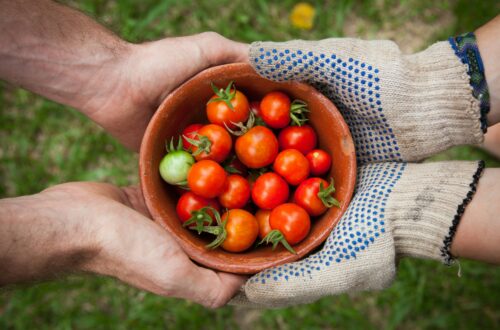
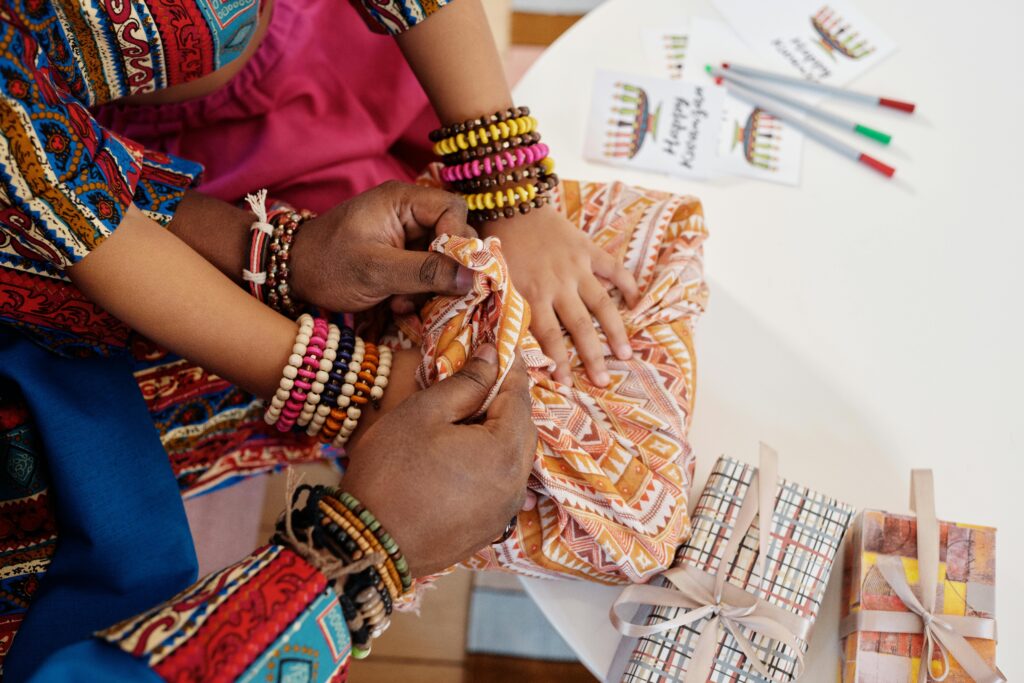
But Mauss is after something larger than ethnographic detail. He wants to show us that behind every gift lies a web of obligations, unspoken but powerful: the duty to give, the duty to receive, and the duty to return. A gift, in this sense, is never just a transfer of property. It is a social act, one that forges relationships, binds people together, and sometimes even enforces hierarchies.
Reading Mauss, you begin to realize how naïve our modern notion of the “free gift” really is. Even today, a birthday present, a wedding favor, or a charitable donation rarely floats free of expectation. There is always some echo of the giver that clings to the thing given, a subtle pressure that lingers until a response is made.
Mauss borrows from the Māori idea of hau, the spirit of the gift, to explain this strange force, and though the concept is culturally specific, it sounds quite familiar to anyone who has ever felt the quiet burden of gratitude.
What makes the book endure is not only its insights into ancient societies but its relevance to our own.
Mauss hints that beneath the veneer of markets and contracts, modern life is still shot through with gift-like exchanges. We may pride ourselves on living in a world of impersonal transactions, yet we continue to trade favors, cultivate obligations, and shore up relationships through acts of giving that are never purely disinterested.
In this way, The Gift becomes less about anthropology than about the human condition itself. It asks us to recognize that the economy of generosity is as binding, and as political, as any marketplace; and that perhaps, for better or worse, we are all still caught in the endless circulation of gifts.
Join us in making the world a better place. You’ll be glad that you did.
Cheers, friends.