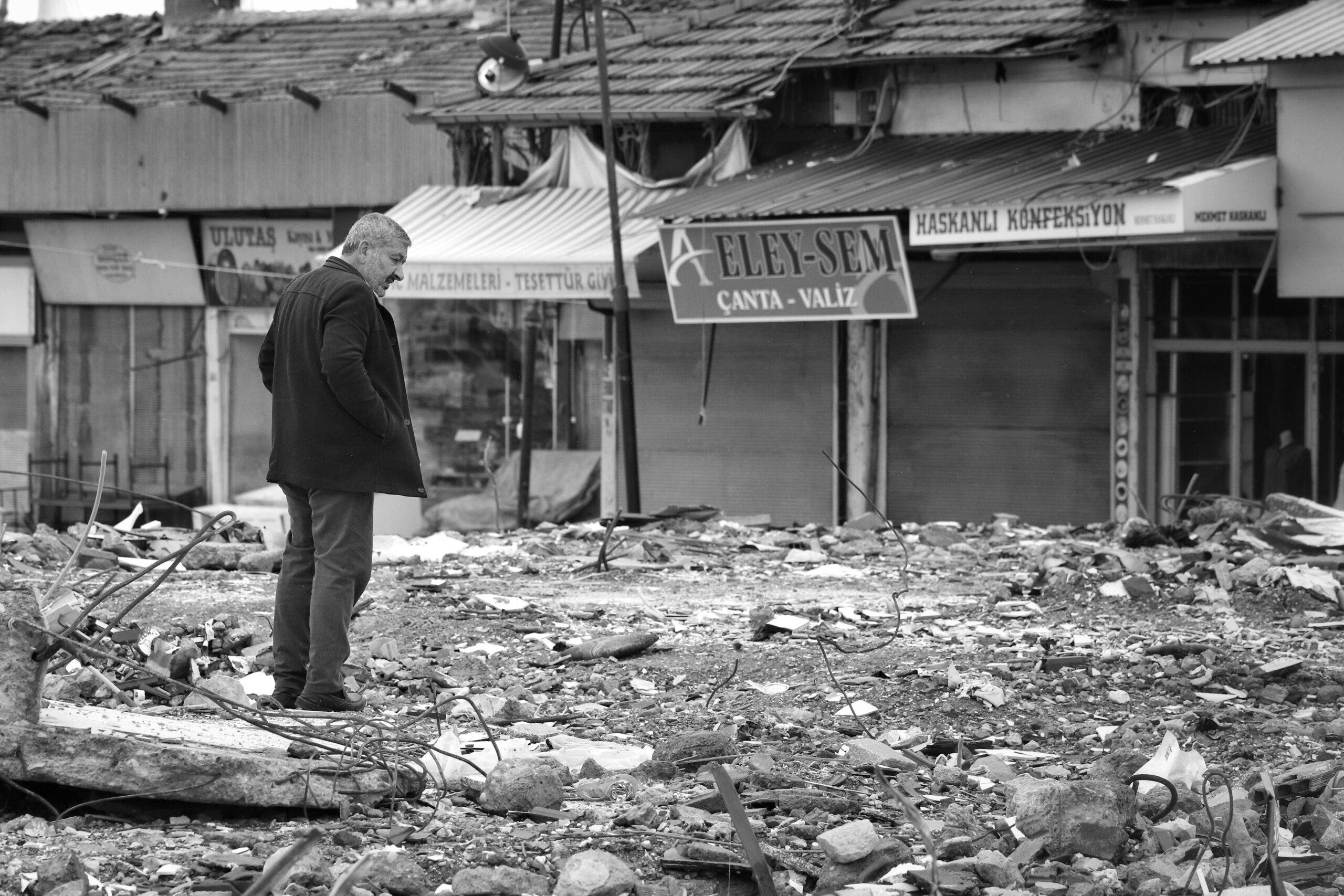








You know that feeling when you’ve tried so many times to fix something that you just… stop trying? When the effort itself feels pointless because nothing ever changes anyway?
In psychology it’s called: learned helplessness.
Each week, I spend two days volunteering at a community resource center. Our mission is straightforward: meet the immediate needs of people who come to us for help. Food, clothing, utility assistance, that sort of thing. But there’s a second part to our mission that’s a bit tougher: walk with people on their journey toward independence.
And honestly? That second part is where things get complicated.
Because what I’ve discovered is that many of the people we serve are living in what I can only describe as learned helplessness. It’s this feeling that life has been so difficult for so long that the very idea of things getting better seems like a fantasy. They’ve tried. They’ve failed. They’ve tried again. Failed again. And eventually, something in them just… shuts down.
Their struggles are real. Their pain is real. The trials and trauma they’ve endured are heartbreakingly real.
But here’s what breaks my heart even more: many of these folks seem to have forgotten, or maybe never learned, that they have agency. That they can do something about their situation. That climbing out is actually possible.
Now, before you think I’m being harsh, let me be clear. I get it. When you’re drowning, it’s hard to believe in swimming lessons. When you’ve been kicked down repeatedly, staying down starts to feel safer than standing up again.
But, to put it bluntly, our job as community workers isn’t just to hand people a life preserver. It’s to help them believe they can learn to swim. To extend a hand and help them begin the journey of climbing out. To show them a path away from that pit of despair.
But, and this is incredibly important; we can’t do it for them.
We can provide resources. We can offer support. We can believe in them when they don’t believe in themselves. But at some point, they have to grab the rope. They have to take that first step. They have to choose to try again, even though trying has failed them before.
That’s the awful truth about learned helplessness: it’s a self-fulfilling prophecy. If you believe you’re helpless, you become helpless. Not because you actually are, but because you’ve stopped believing in the idea of trying.
And I’ll admit, there are days when this frustrates me. Days when I want to shake someone and say, “You can do this! Just take the first step!” Days when I watch someone choose to stay in their pit because climbing out feels too hard, too scary, too impossible.
But then I remember: I’m not them. I haven’t lived their life. I haven’t experienced their failures. And judging them for their learned helplessness while I stand on solid ground isn’t exactly the empathy our mission calls for.
So what’s the answer?
I think it starts with listening. Really listening. Hearing their stories without trying to fix everything immediately. Acknowledging that yes, life has been brutally unfair to them. That their feelings of hopelessness make sense given what they’ve been through.
But then, gently and persistently, helping them see that their past doesn’t have to be their future. That learned helplessness can be unlearned. That independence isn’t some impossible dream, but a journey they can actually take, one small step at a time.
Because at the end of the day, our job isn’t to rescue people. It’s to remind them they can rescue themselves. To walk beside them, not carry them. To believe in their ability to climb, even when they don’t.
The pit of despair is real. Learned helplessness is real. But so is growth. So is hope. So is the human capacity to surprise ourselves with what we’re capable of when we finally decide to try again.
We just have to help them remember that.
Join us in making the world a better place. You’ll be glad that you did.
Cheers, friends.