




The Catcher in the Rye follows a few restless days in the life of Holden Caulfield, a disillusioned sixteen-year-old boy who has just been expelled from yet another prep school. Instead of going home and facing his parents, Holden wanders around New York City alone, drifting through hotels, bars, conversations, memories, and moments of quiet panic. The novel isn’t really driven by plot as much as by mood and observation. Holden spends most of the story trying to make sense of a world that feels fake, performative, and emotionally hollow to him. He constantly calls people “phonies,” but underneath that cynicism is someone deeply wounded and desperate for sincerity, innocence, and human connection.
As the story unfolds, it becomes increasingly clear that Holden is grieving far more than school failure or teenage confusion. He is haunted by the death of his younger brother Allie, whose loss shattered something inside him. Holden’s sarcasm and rebellion begin to look less like arrogance and more like emotional exhaustion. The one person he genuinely trusts is his younger sister Phoebe, who represents the innocence he’s terrified the world destroys in everyone.
The title comes from Holden’s fantasy of standing in a rye field near a cliff where children are playing. He imagines himself as “the catcher in the rye,” catching children before they fall off the edge. It’s a metaphor for wanting to preserve innocence before people are forced into the compromises, artificiality, and disappointments of adulthood. In many ways, the novel is about that painful transition between childhood and adulthood — the moment when someone realizes the world is imperfect but still has to decide whether to participate in it anyway.
What made the book so influential was how honest Holden felt to generations of readers. He speaks in contradictions, rambles, repeats himself, judges people while longing for closeness, and swings between humor and despair in a very human way. The novel became a kind of mirror for alienation, especially for young people trying to figure out who they are in a world that often feels artificial or disconnected from meaning.
The take away:
Holden Caulfield feels rather… like many of us, because the world he feared has, in many ways, become ours. A culture of performance. Endless clatter of internet mayhem. Mass-produced identity. People curating themselves instead of knowing themselves.
His frustration with “phoniness” wasn’t really about hypocrisy as much as it was about disconnection… the sense that people were slowly losing touch with what is real, human, vulnerable, and meaningful beneath all the social theater.
And I think that’s why his voice still resonates today. In many ways, the work I do circles around that same tension.
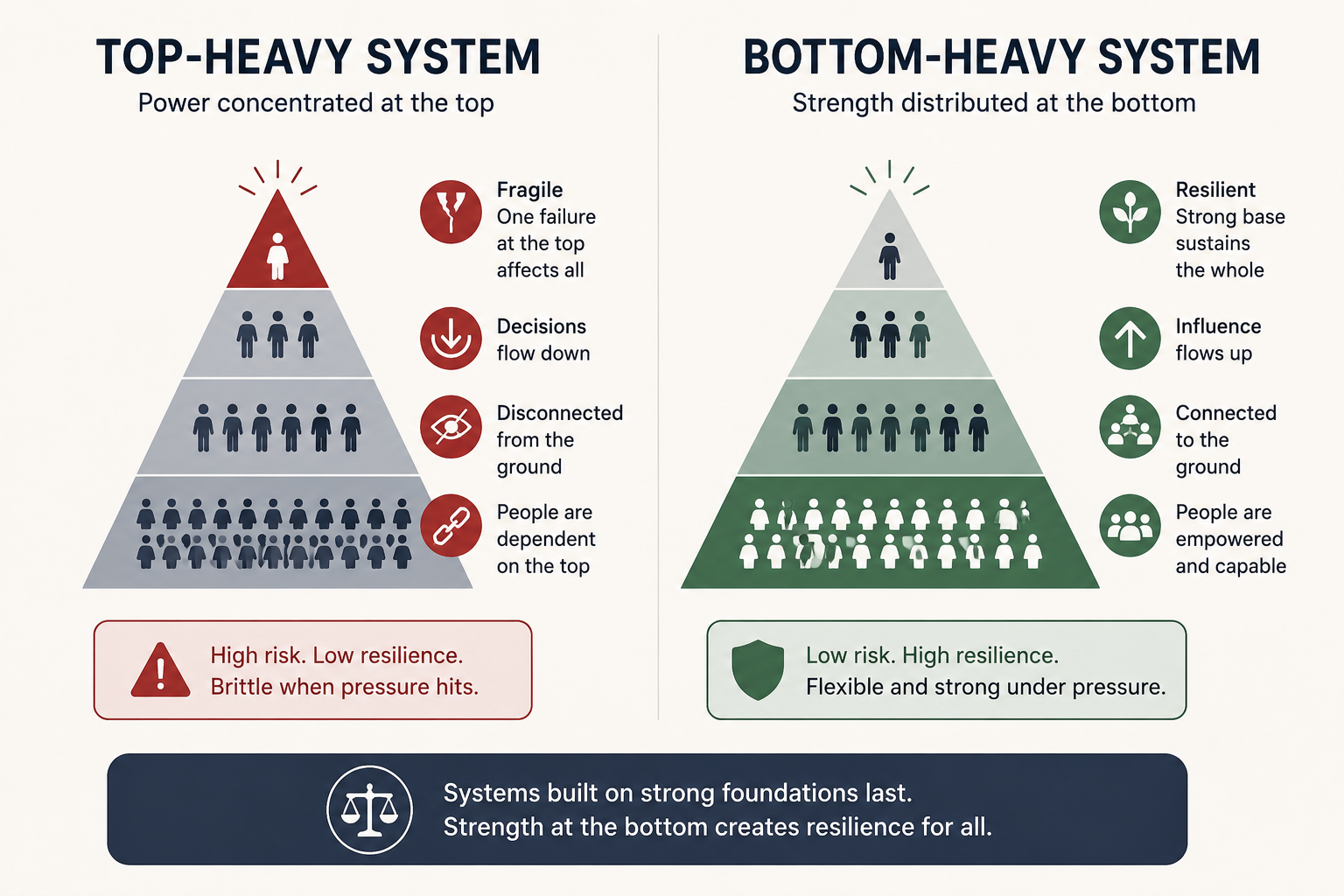
Whether I’m talking about rebuilding community, restoring social trust, creating local networks of reciprocity, or questioning systems that reduce people to consumers and metrics, it all comes back to the same basic longing Holden had: the desire for a world that feels sincere again. A world where people belong to each other instead of merely existing beside each other.
Holden didn’t have the language for social infrastructure or cultural fragmentation or the loneliness of hyper-individualism… but he felt it.
Deeply.
And I think, so do we.
Join us in making the world a better place. You’ll be glad that you did. Cheers, friends.