




What interests me about Into the Forest by Jean Hegland is that it doesn’t portray collapse the way Hollywood usually does. It’s not the result of some singular dramatic event like a zombie apocalypse or EMP. No giant explosion. No obvious “end” point. Things just slowly stop working. The lights go out. Supply chains fail. Institutions become unreliable. And little by little, two sisters realize that the systems they trusted were never as permanent as they seemed.
Honestly… that feels far more realistic to me than any other scenario that I can think of. That steady domino-effect of a Meta-crisis.
You know, the Meta-crisis that we’re in.
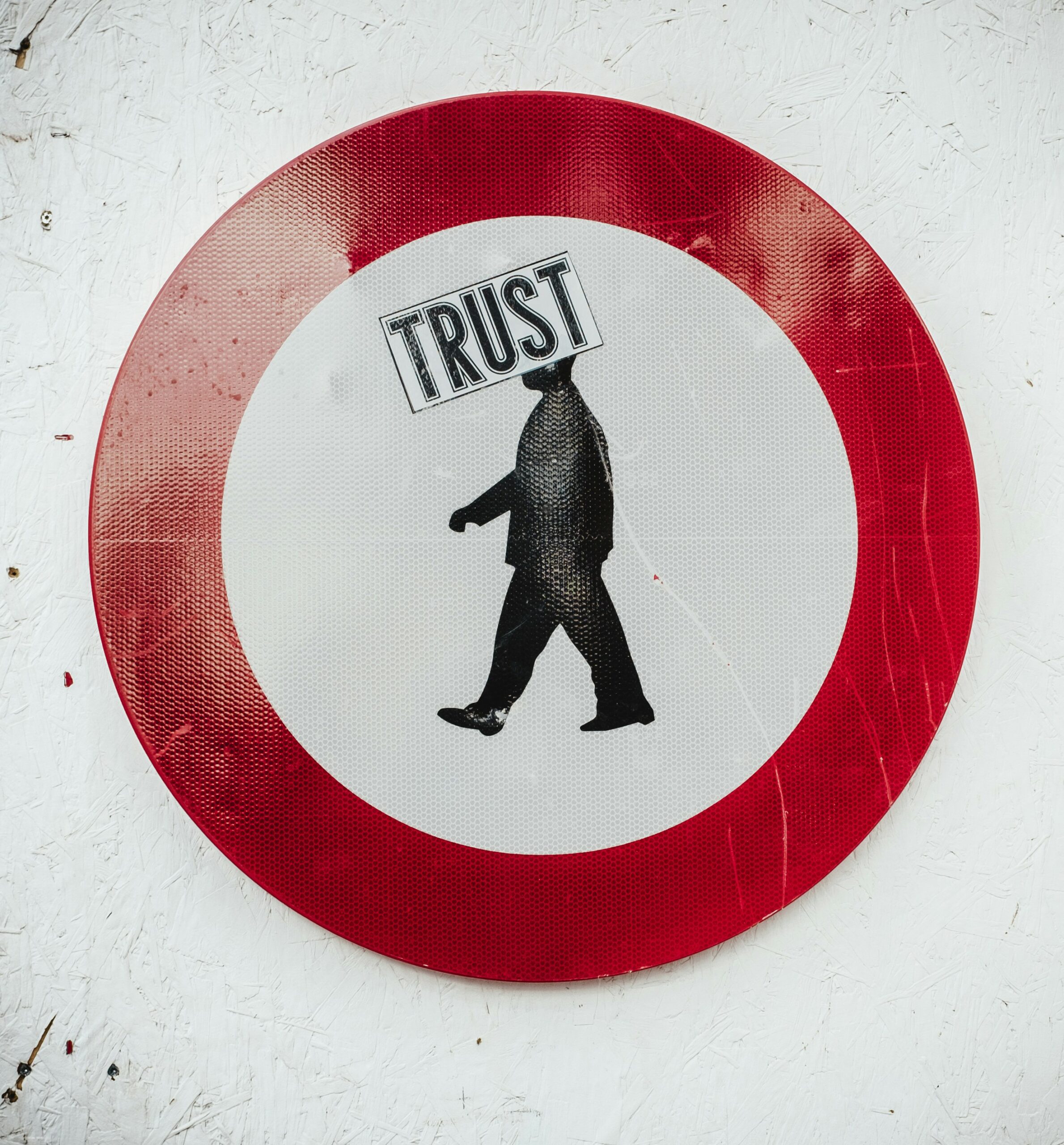
To me, the book is really about dependency. About how modern people often mistake systems for reality itself. We assume grocery stores create food. That hospitals create health. That institutions create community. But beneath all of that are older human realities: reciprocity, adaptability, resilience, relationship, local knowledge, trust.
And once the systems disappear, those older realities suddenly matter again.
They are all that matters.
That’s what connects so deeply to the work I do. The story nicely demonstrates something I talk about constantly: communities survive because of social infrastructure, not technological infrastructure alone. The sisters survive because they relearn relationship; with the land, with one another, with practical contribution, with interdependence. They stop functioning primarily as consumers and start functioning as participants in reality again.
The forest itself becomes symbolic of this change. At first it represents danger and isolation. But eventually it becomes abundance, provision, and meaning. Why? Because the sisters changed their relationship to it. The reality and necessity of their situation awakened something ancient within them; humanity’s real relationship to this world. We are not separate from nature, nor masters over it. We are participants within it. Part of the ecosystem itself.
Modern life had taught the sisters to forget that. They were born into systems so artificial and insulated that the natural world felt foreign, even threatening. But once those systems disappeared, they slowly rediscovered their place within the living world around them. And in so doing, they seemed to find something modern society often struggles to provide: meaning, connection, purpose… maybe even a deeper kind of freedom.
And I think that’s one of the great hidden lessons of this book and our age.
Modern society has produced incredible convenience, but convenience also creates fragility. The more top-heavy and hyper-specialized systems become, the more disconnected people become from the foundational skills and relationships that actually sustain life. We outsourced food production, childcare, elder care, meaning, belonging, even identity itself, to institutions and platforms. And in the process, many people lost touch with the idea of community as something lived and practiced daily.
That’s why this book feels more like a mirror held up to modern life and less like a work of dystopian fiction. It feels prescient.
Not necessarily because the same kind of collapse is inevitable. Though it probably is. But because it reminds us that resilience is local. Human. Relational. Small-scale. The future probably won’t be saved by giant abstract systems alone. It will be saved by people who know one another. People who share resources. People who can adapt together. People who still remember how to be useful to each other when the machinery falters.
And falter it will.
In many ways, the novel is about re-communitying the world after the illusion of permanence disappears.
And honestly… I think that’s the conversation humanity is being forced to have. Sooner, rather than later.
Join us in making the world a better place. You’ll be glad that you did. Cheers, friends.