




Somewhere along the way, since the advent of social media, the internet convinced us that “community” was just another word for “anonymous crowd (mostly bots to be honest).” We joined Facebook groups, Reddit threads, Discord servers, and subcultures that flourished in the ether of the internet but vanished the moment the Wi-Fi went out.
We mistook proximity of interest for proximity of heart and person. It was fun for a while; like shouting across a canyon and getting thousands of echoes back. But people are starting to notice that the echoes don’t hug you back, or really care at all.
Something’s shifting. The pendulum is swinging from “online” to “onlined.” It’s a small grammatical difference with enormous implications. Being online means existing somewhere in the formless cloud of information, a floating username among billions of other floating usernames.
Being onlined means using technology to connect with people who actually exist in your neighborhood, people you could theoretically bump into at the grocery store, people who might show up when your car won’t start or when you need help finally moving that ratty old sofa to the curb.
For years we’ve been in an era of mass connection and personal isolation. The big social platforms promised “community,” but what they delivered was a slot machine of validation; likes, followers, views, and comments that mimic affection but never require responsibility.
Now, the fatigue is setting in. People are tired of the noise, the outrage algorithms, the endless “content.” They’re craving something smaller, slower, and more human.
The new movement, what some are calling the onlined community, isn’t about escaping technology; it’s about reclaiming it. Instead of the internet being the community, it becomes the bridge. Platforms like KommunityKoin’s KommunityHub are part of that evolution: using social media not to accumulate strangers, but to coordinate neighbors. It’s the difference between a forum and a front porch.
In an onlined world, technology doesn’t replace relationship; it organizes it. It helps real people do real things together. You can’t “like” your way into belonging. You earn it by showing up, helping out, being known.
These new digital-physical hybrids are forming around shared geography and shared effort rather than shared opinions, and that’s a refreshing change in a world that’s been shouting itself hoarse and led around by the nose for too long.
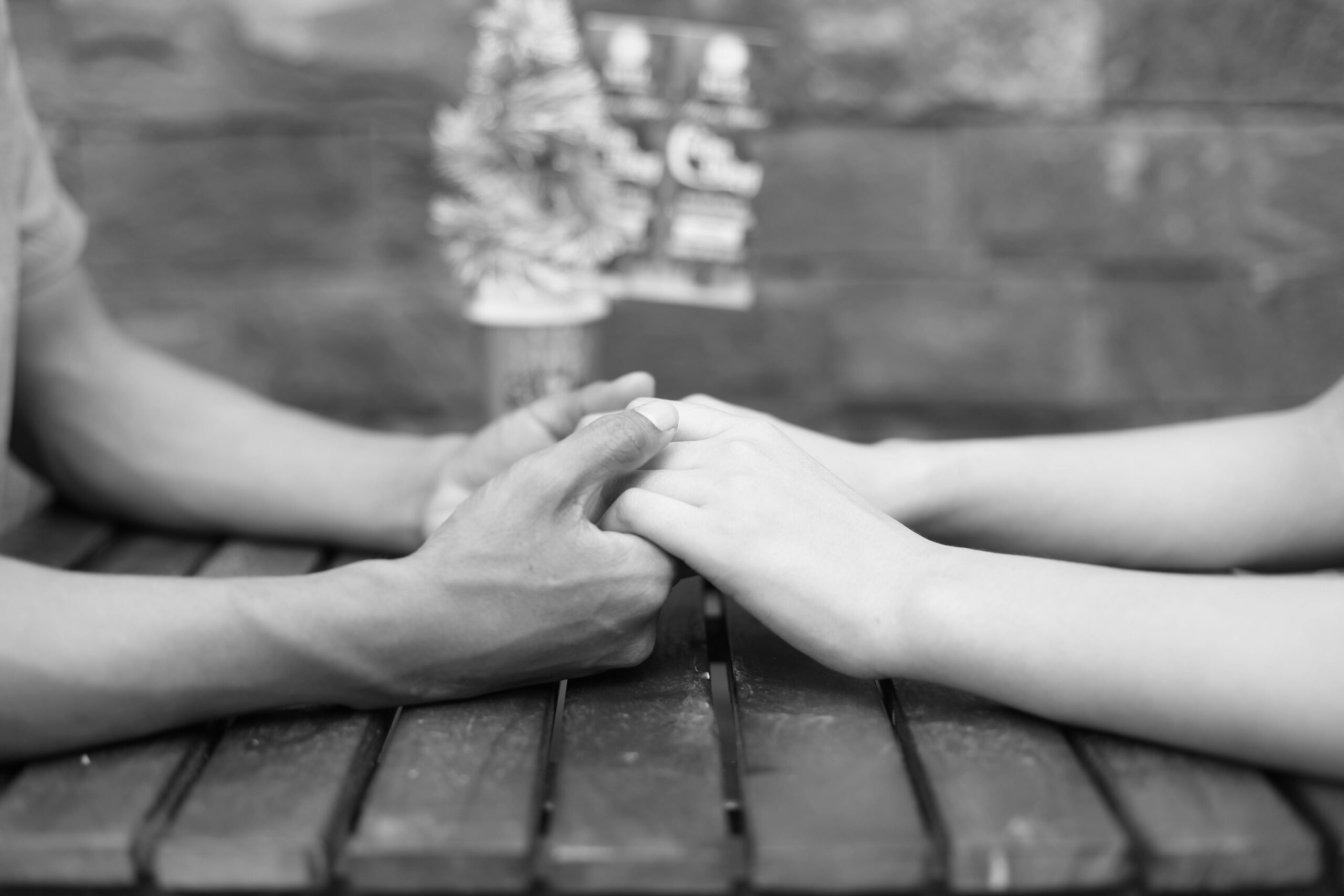
The irony, of course, is that it took the exhaustion of mass social media to remind us how good it feels to simply know someone; to see their face, shake their hand, remember their kid’s name.
Maybe the internet’s ultimate purpose wasn’t to connect everyone. Maybe it was to teach us what connection really means by showing us what it isn’t.
We’re entering a post-noise age, where people no longer want to scroll; they want to belong. “Onlined” isn’t a typo; it’s a return to sanity. It’s the rediscovery that community doesn’t happen on a screen; it happens in a circle of chairs, a community garden, a volunteer shift, a shared meal. The web just helps us find our way there.
Join us in making the world a better place. You’ll be glad that you did.
Cheers, friends.