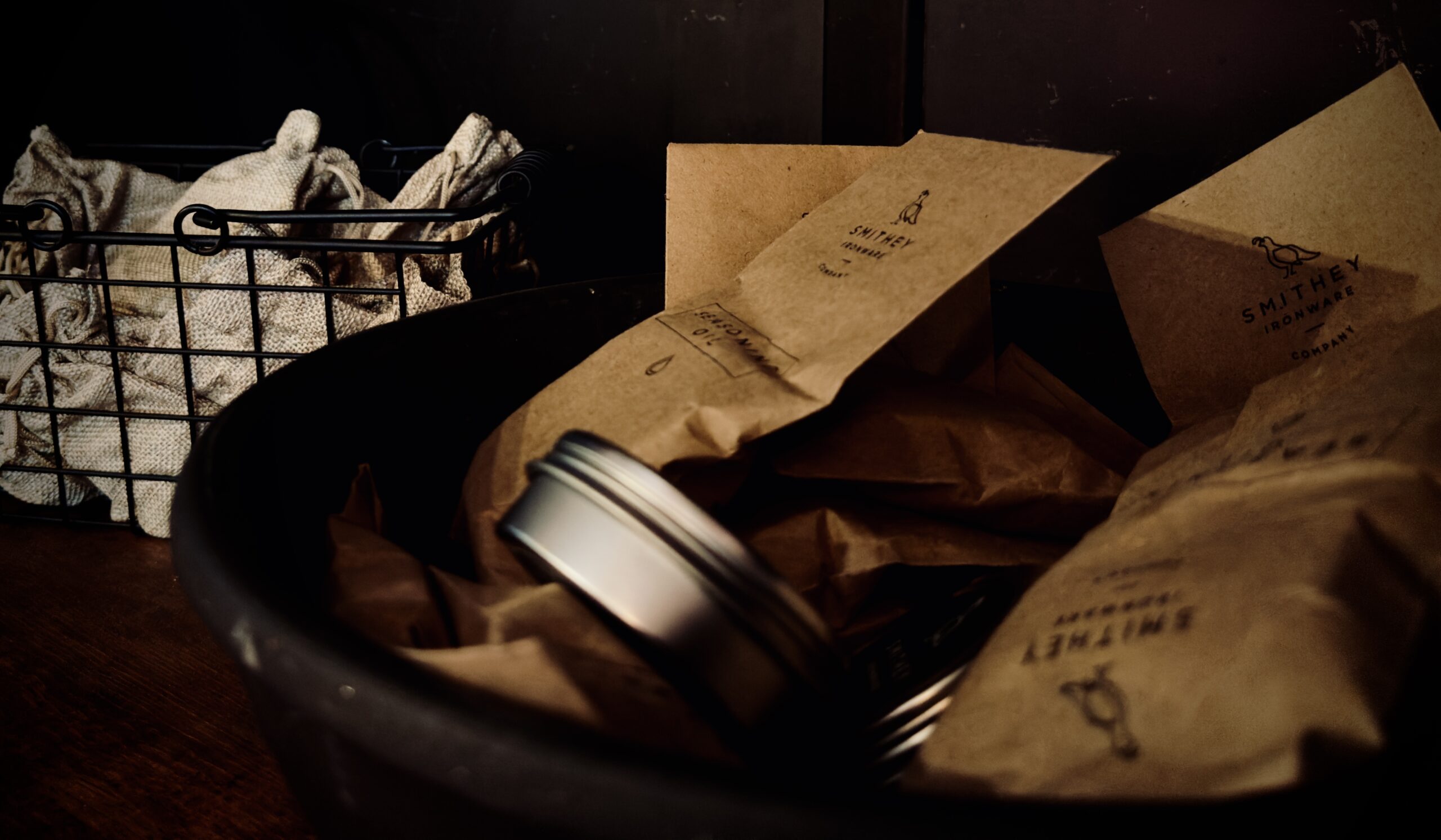




…this is one of my photos, by the way
There persists, in every era, a quiet but stubborn prejudice: the belief that the value of a creation is determined by the tool used in its making. In our own age, this belief has taken on new form. I refer not to the chisel and the marble, or to the brush and the canvas, but to the camera, particularly that which resides in the pocket of nearly every man, woman, and child; the smartphone.
A curious resentment has arisen among certain practitioners of photography. They regard with suspicion those who use the iPhone and similar devices to produce images of beauty, depth, or feeling. That such images can rival their own seems, to them, an affront to the sanctity of the craft.
But here we must ask: what is art, and what is its origin? Is it truly in the tool? Or is it, as I would contend, in the hand and mind of the artist?
It has always been so. A child tapping rhythmically on a table may evoke more feeling than a seasoned musician with an orchestra at his command. One need only watch a street performer with a few battered buckets create a rhythm so vital it stirs the very blood. Consider the performers of Stomp who manage to fashion joy and exuberance from mere stomps, sweeps, and claps. Are they not artists? And if they are, it cannot be because of their instruments, which are little more than scraps and noise.
This principle, though visible in art, extends far beyond it. A monk in ragged cloth may live more truly in the spirit of his faith than the pontiff wrapped in robes spun with gold. Simplicity is no hindrance to greatness; often it is its very condition.
Indeed, what I call the art of mastery is the ability to use the simplest means to convey the greatest depth. Mastery begins not in equipment but in attention, not in acquisition but in understanding. A master of carpentry may shape wood with a knife where others require an entire workshop. A true cook needs no twelve-speed mixer, nor a thousand-dollar oven. In every field of life, it is possible to find those who mistake sophistication of tool for sophistication of touch.
There is a tragic irony in our present civilization. While it is rich in instruments, it is poor in mastery. We are surrounded by clever devices (phones that think, tools that measure, machines that build) and yet, how few among us can make something with our own hands? How many know the feel of raw material, the resistance of form, the satisfaction of shaping something slowly, through skill?
This is not a condemnation of tools. I would not have us return to the stone age, nor scorn the advantages of technology. But the danger lies in forgetting the foundation. The danger lies in supposing that a better camera makes a better photograph, or that a more expensive tool yields a better creation. It does not. A fine tool may enhance the work of the master, but it cannot create a master. And if we turn to tools before we have trained the eye, the hand, or the heart, we deceive ourselves. Worse still, we weaken the human tradition of craft, which is as ancient and as vital as the tradition of thought.
It is mastery that must come first. Mastery does not mean perfection. It means discipline, repetition, patience, and most of all, love for the thing itself. It is the love of seeing what others miss, of capturing what others overlook. When mastery is attained, even the humblest tool becomes sufficient, even beautiful. Then the iPhone becomes a lens through which the soul sees; the bucket becomes a drum of joy; the worn robe becomes a symbol of deep devotion.
The error of our age is not in having too many tools, but in believing they are enough. Let us therefore recover what has been lost. Let us teach our children not merely to use tools, but to understand them. Let them make things badly at first, awkwardly, with imperfect hands. Then, as skill grows, so too will confidence, and in time, the tools will matter less and less.
It is not the instrument that dignifies the artist. It is the artist who dignifies the instrument. And if that truth is forgotten, then even the finest tools will produce only hollow works, while the simplest hands, guided by mastery, will continue to create wonders.
Join us in making the world a better place – you’ll be glad that you did. Cheers friends.