The Comfort Crisis: Embrace Discomfort to Reclaim Your Wild, Happy, Healthy Self by Michael Easter. Let’s take a look at the general ideas: Human beings evolved in conditions that were physically demanding, uncertain, and often uncomfortable. Modern society has removed much of that discomfort, but in doing so it has also removed many of the experiences that made us healthy, capable, and fulfilled. The human body and mind still possess ancient programming that expects challenge. When challenge disappears, something important is lost. Many of the things we avoid (cold, hunger, strenuous exercise, uncertainty, failure) are exactly the experiences that help humans…

-
-
For most of human history, the idea that a corporation could become more powerful than a government would have sounded absurd. A corporation was supposed to be a tool. A legal structure. A convenient way for people to organize economic activity. Governments governed. Corporations sold things. Simple enough. Yet if you look closely at many of the great dystopian films of the last fifty years, a recurring theme emerges. Again and again, filmmakers imagine a future where corporations no longer serve society… Society serves corporations. In RoboCop, the corporation effectively runs the city. In Alien, a corporation sends workers into…
-
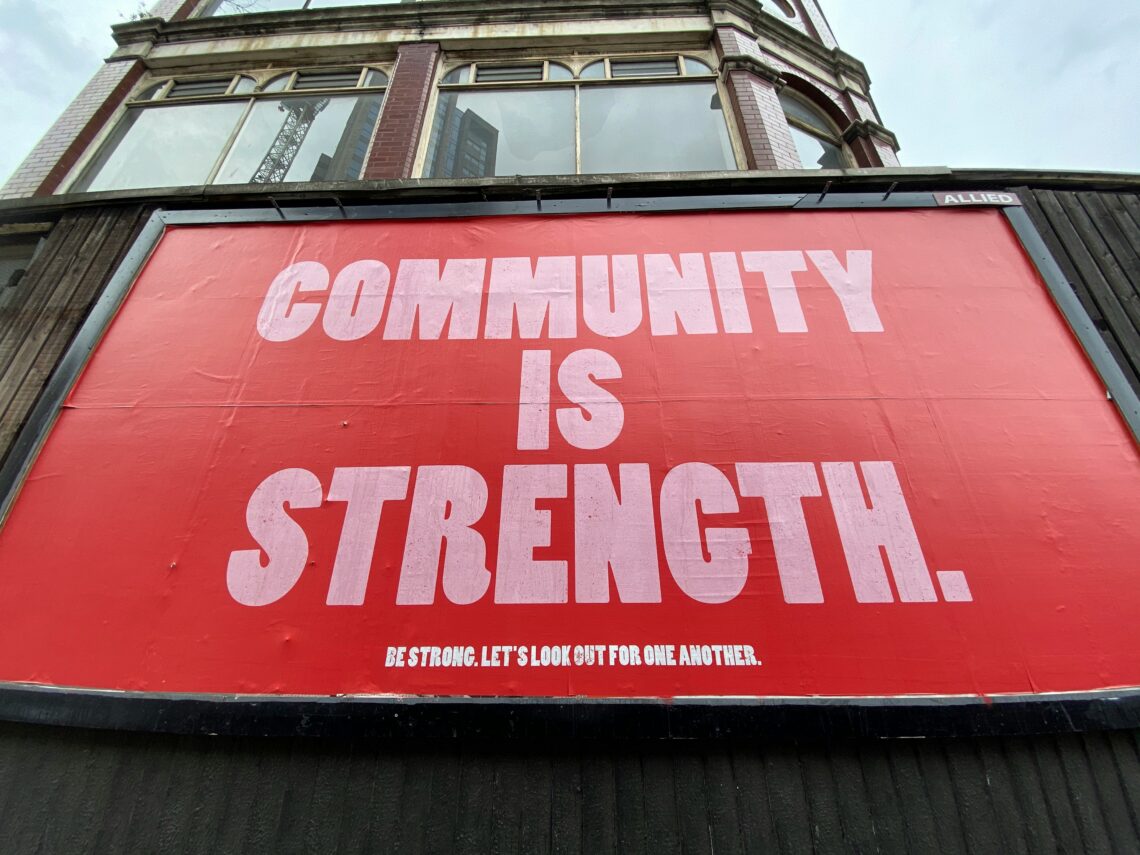
Much of my work is often described as community building, time co-ops, social capital, trust economies, mutual aid, mutual support, human capital, or social infrastructure. And those descriptions are certainly all true. But, they’re also incomplete. What I’m really interested in is something larger: a memeplex; a set of interconnected ideas that reinforce one another and gradually change how people understand value, belonging, and society itself. At the center of this memeplex is a simple belief: people are the source of value and community is the environment where that value plays out. Money has utility. Markets have utility. Institutions have…
-
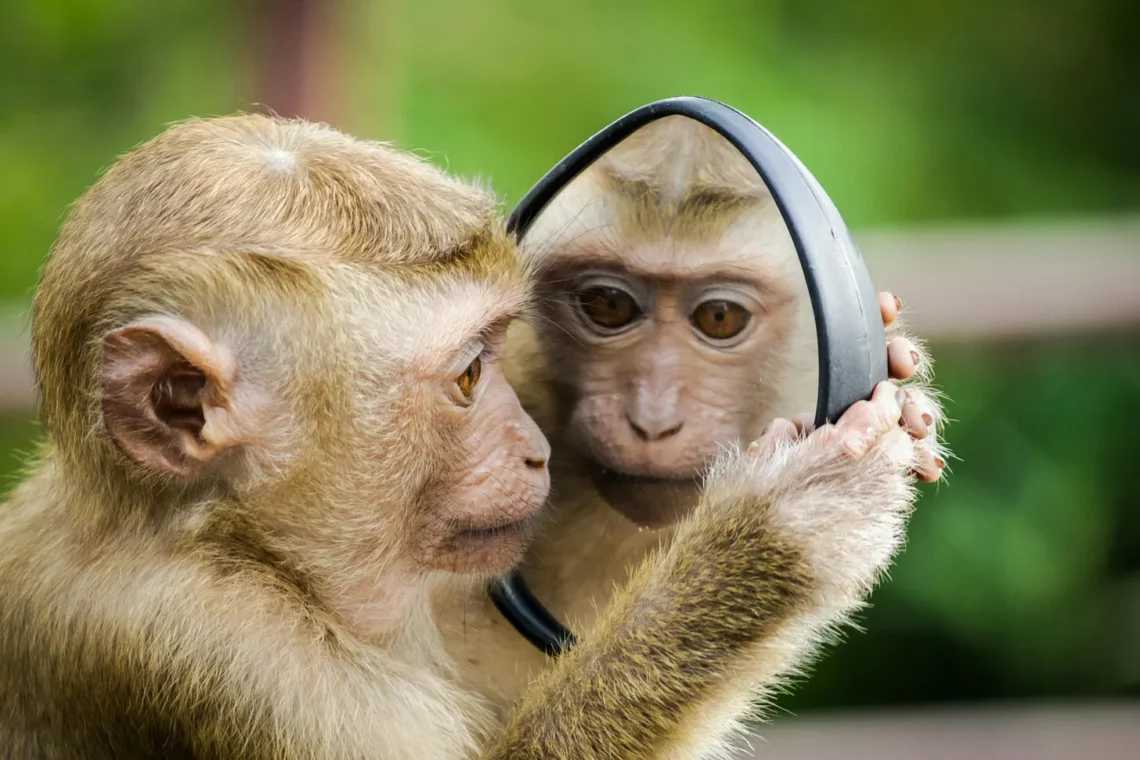
If you haven’t yet heard of Dunbar’s Number, here is a quick take from an article published in Cracked 18 years ago. Old but still relevant. David Wong’s article; “What Is the Monkeysphere?” reimagines Dunbar’s Number in a fairly humorous way. His essay points out that human empathy is not limitless, even though we might like to think that it is. But in fact, our brains “evolved” to care deeply about a relatively small number of people; family, friends, and a close social circle. Beyond that, other humans slowly stop feeling like fully real people and start becoming abstractions: crowds, statistics, headlines. Stuff…
-
Community is not a byproduct of society. It’s the foundation upon which society is built. And we seem to have gotten that backwards lately. It seems like many in our society think of community as something optional. A nice thing to have if we can find the time. A social club. A neighborhood association. A church group. A collection of people who happen to share a hobby or a zip code. As if community is an accessory attached to civilization. I don’t think that’s true at all. I think community comes first. Long before there were nations, corporations, markets, governments,…
-
Don’t you think there’s something different about art that’s given away? I do. And I’ve been working on this idea for years. It ended in a project that I call. Truman Gifted art. Gifted anything, isn’t necessarily better crafted. Isn’t necessarily more technically impressive. It’s just different. A painting sold for ten million dollars may be beautiful. A photograph hanging in a gallery may be extraordinary. An artist deserves to eat, pay rent, and support a family. There’s absolutely nothing wrong with that. Throughout history, artists have depended on patrons, commissions, and buyers. Art and commerce have always done that…