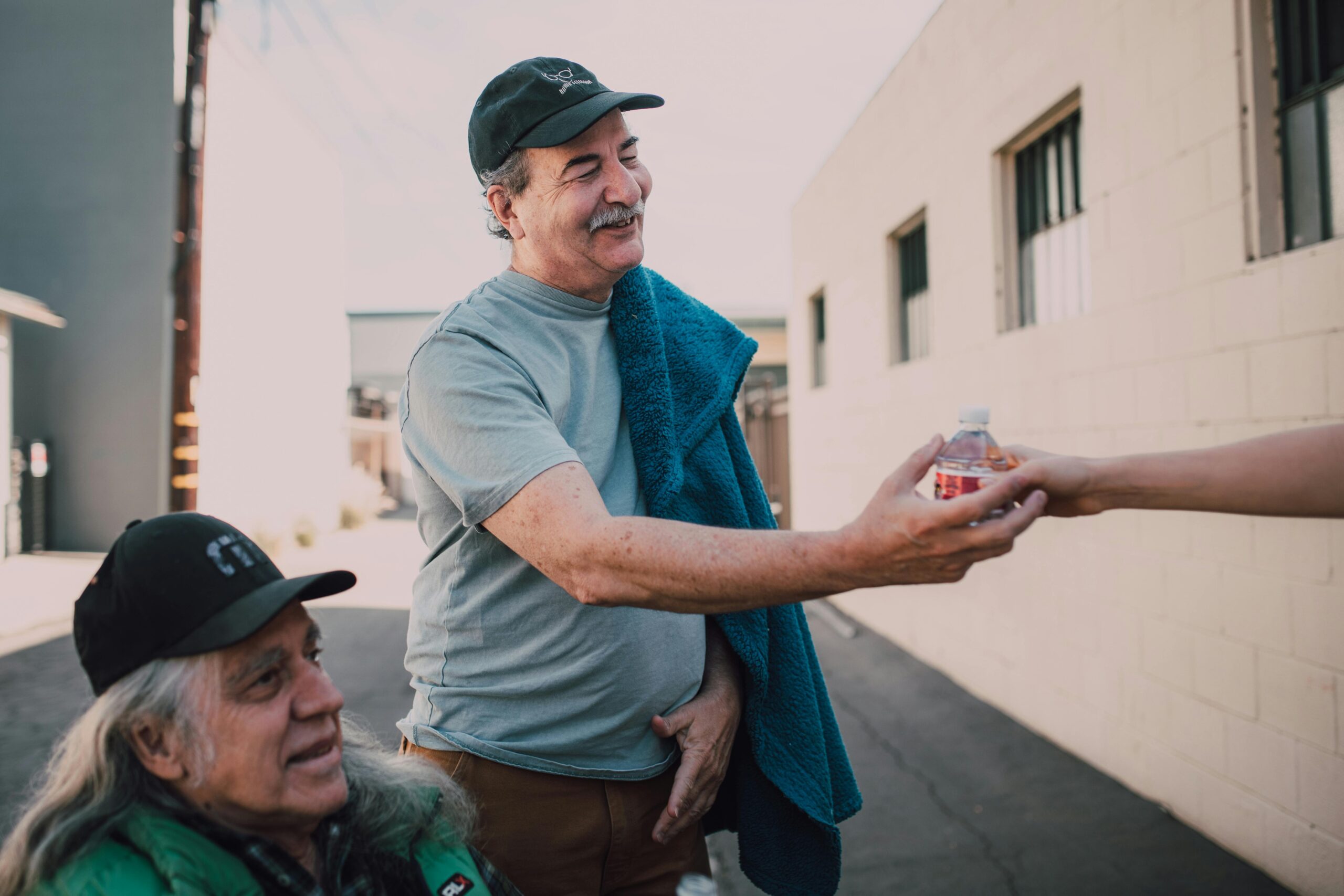








Charity has its place. When someone’s in real trouble; when the rent’s past due, or the fridge is empty, or there’s a medical bill hanging over their head like a storm cloud, charity can be a lifeline. It’s a quick way to help. No one should be faulted for giving, or for needing. Sometimes a crisis calls for exactly that kind of intervention.
But charity, as helpful as it can be, often keeps people in separate lanes. One person gives, another receives. One has the resources, the other doesn’t. And while that might work in the short term, it creates a dynamic that can feel like one person is reaching down from above rather than walking alongside. Charity tends to be episodic, impersonal, and, in some cases, a bit performative. It can also be a one-way street, where the giver holds the power and the recipient is expected to be grateful and quiet.
Solidarity changes that dynamic into one that is mutual and mutually-beneficial.
Solidarity says: We’re in this together. It’s not about one person helping the other out of pity or guilt; it’s about everyone showing up for each other because we all benefit from a healthier, more supportive community. It’s not charity from the top down. It’s mutual aid from the inside out.
Imagine a neighborhood where people know one another, where there’s a system for sharing childcare, passing along groceries when someone’s paycheck runs short, fixing each other’s cars or leaky pipes, offering rides, or lending tools. Not because anyone’s running a nonprofit. Not because someone’s looking for a tax write-off. But because it makes sense: and it makes life better for everyone.
When we build systems of mutual aid, where people contribute what they can and receive what they need, we reduce the need for formal charity in the first place. Needs are met more quickly, more respectfully, and more sustainably. There’s less stigma. No paperwork. No gatekeeping. Just people helping people, with the understanding that today it might be me, and tomorrow it might be you.
And here’s the real secret: solidarity doesn’t just help the person in need. It strengthens the giver, too. It builds trust. It creates real relationships. It pulls us out of isolation and into a shared sense of purpose. We stop thinking of help as a burden and start seeing it as part of being human.
Charity can be a stopgap. Solidarity is the long game.
It’s about prevention instead of emergency response. It’s about creating communities where fewer people fall through the cracks because more people are watching out for one another in the first place.
So yes, charity still matters. But if we build strong, caring, equitable communities where resources, time, and care are shared fairly, then charity becomes a backup, not a primary system. That’s not idealistic. That’s just smart.
When everyone pitches in, everyone benefits. That’s solidarity. And it’s the kind of society worth working toward.
Join us in making the world a better place – you’ll be glad that you did. Cheers friends.