In the quiet of dawn, when the world is stripped bare, a man stands alone. He owns nothing but the breath in his lungs and the thoughts in his mind. In this stark solitude, he confronts himself, unadorned by possessions or titles. Here, in the absence of material wealth, he begins to understand the essence of his being. The pursuit of possessions is a seductive journey. We gather trinkets and treasures, believing they will define us, elevate us. Yet, with each acquisition, we risk losing a piece of ourselves. The more we own, the more our identities become entangled with…

-
-
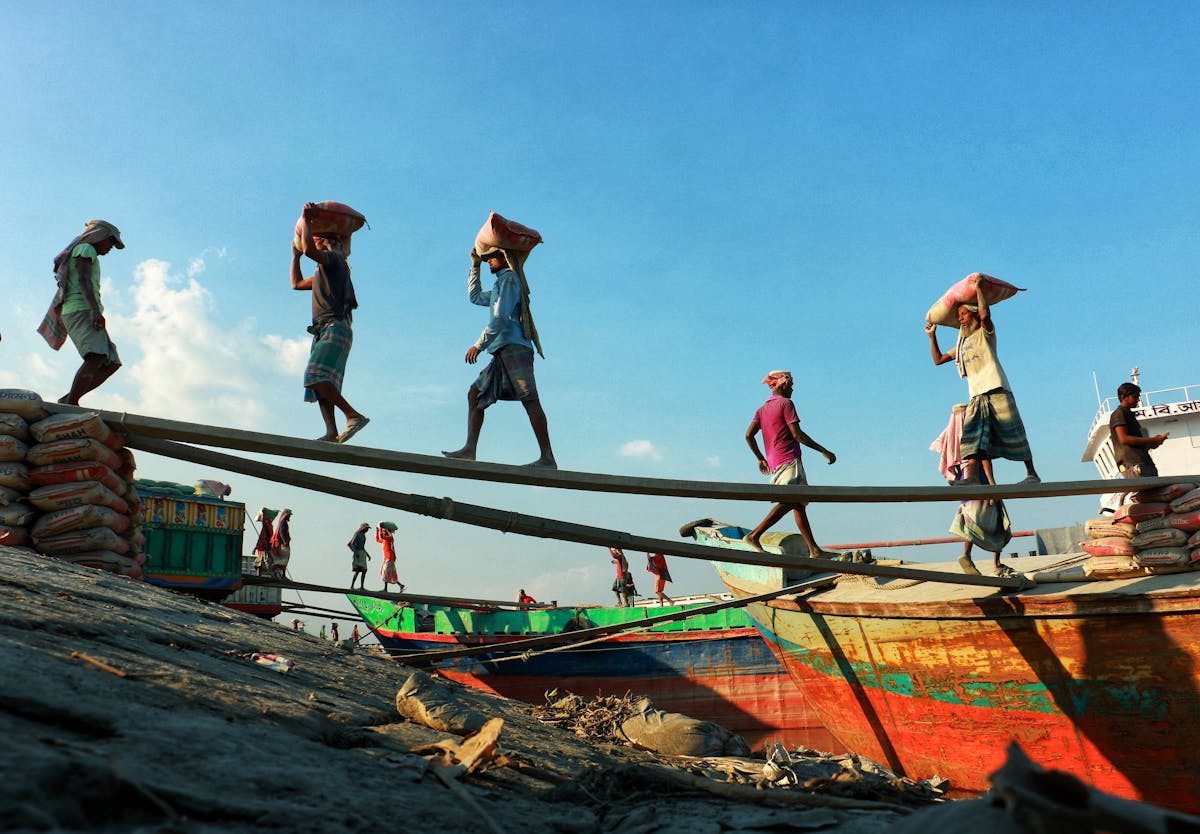
At the heart of our modern economy lies a quiet brutality, too ordinary to stir outrage and too abstract to touch the conscience. It is called labor arbitrage. Its name sounds technical, benign; a financial lever pulled by invisible hands to equalize the cost of work across geographies. But behind this sterile phrase is an ancient vice, one that predates capitalism and civilization itself: the effort to gain by the subtraction of another’s life. Labor arbitrage is the practice of seeking out those whose need is greatest so that they may be paid the least. It is not unlike choosing…
-
In The Chaos Machine, Max Fisher pulls off something rare: a work of tech journalism that manages to feel both deeply human and apocalyptically urgent. Part investigation, part indictment, part elegy for what the internet once promised, Fisher’s book examines how the world’s largest social media platforms (Facebook, YouTube, Twitter) have not merely mirrored our dysfunctions, but have aggressively optimized for them. At its core, The Chaos Machine is not just about technology. It’s about the moral architecture of the people who build it, the structural incentives that drive it, and the way ordinary human frailties (fear, tribalism, loneliness) are…
-
To be lost is to be without direction, to feel that one’s life has no center, no guiding thread. This loss can take many forms. A man may lose himself economically, feeling that he has no means to secure his survival or that of his family. He may lose himself socially, finding that the connections binding him to others have been severed, leaving him adrift. He may lose himself spiritually, sensing that his life no longer holds meaning, that his efforts are without purpose, that he is merely existing rather than living. To be found again, if such a thing…
-
They say you need a lot of things in life. A job. A car. Some shoes that don’t give you blisters. A mattress that doesn’t hurt your back. Maybe some friends who laugh at your jokes and don’t ask for too much. They don’t mention courage. They don’t mention beauty. They don’t mention usefulness. But T.S. Eliot did. And I suppose that’s why no one reads poetry anymore. He said: “to do the useful thing, to say the courageous thing, and to contemplate the beautiful thing, that was enough”. He said it like it was simple. Like it was tying…
-
There are few qualities more neglected, and yet more urgently needed, than the habit of critical thinking. Our lives are flooded with information and noise; opinions are as countless as grains of sand, and certainty is more readily sold than truth. Now, more than ever, it is necessary to examine carefully the foundations on which our beliefs rest. And yet, the responsibility to think well is too often regarded as a luxury; an adornment for the educated, a hobby for the philosophical. This is a grave mistake. I should like to suggest that critical thinking is not merely useful; it…
-
There’s a quiet boldness to Peter Russell’s Forgiving Humanity, the kind that doesn’t shout but rather invites you to sit down, exhale, and consider—for just a moment—the possibility that we’ve been asking the wrong questions all along. In an age bloated with judgment, outrage, and unrelenting cynicism, Russell offers something rare: a reflective meditation on compassion—not just toward one another, but toward the human condition itself. The title alone feels provocative. Forgiving Humanity? For what, exactly? For the wars, the waste, the greed, the staggering shortsightedness? For the way we’ve poisoned the oceans and monetized every sacred thing? Russell doesn’t…
-
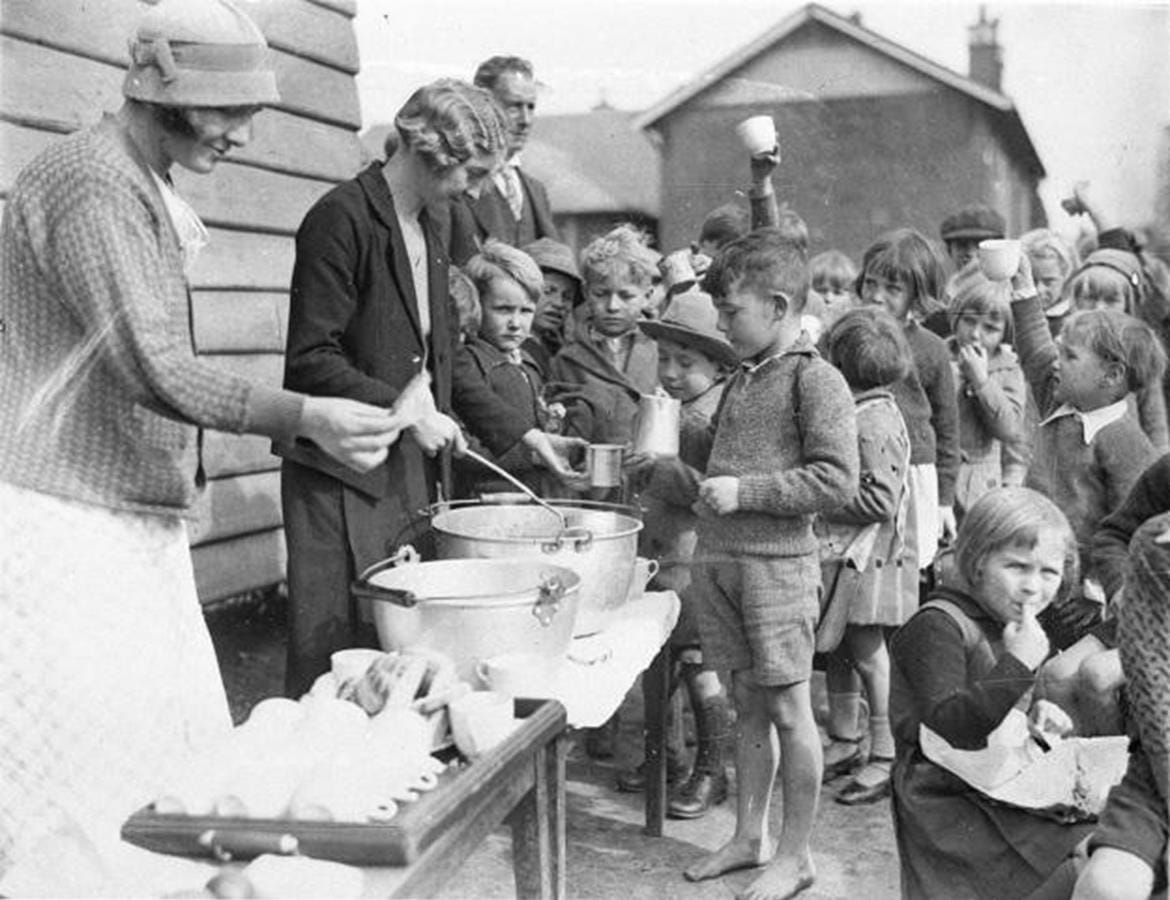
The Great Depression taught Americans many things, but one lesson really stands out, not in the numbers or charts, but in the stories that passed from grandparents to grandchildren around dinner tables and porches. It’s the story of people who had very little, and yet gave anyway; of soup kitchens that stretched down whole city blocks, of neighbors who split their last sack of potatoes, of barn raisings and coat-mendings, of pride swallowed for the sake of community, and dignity somehow still maintained. They called it mutual aid. Not charity, not welfare, but something older, something deeply rooted in the…
-
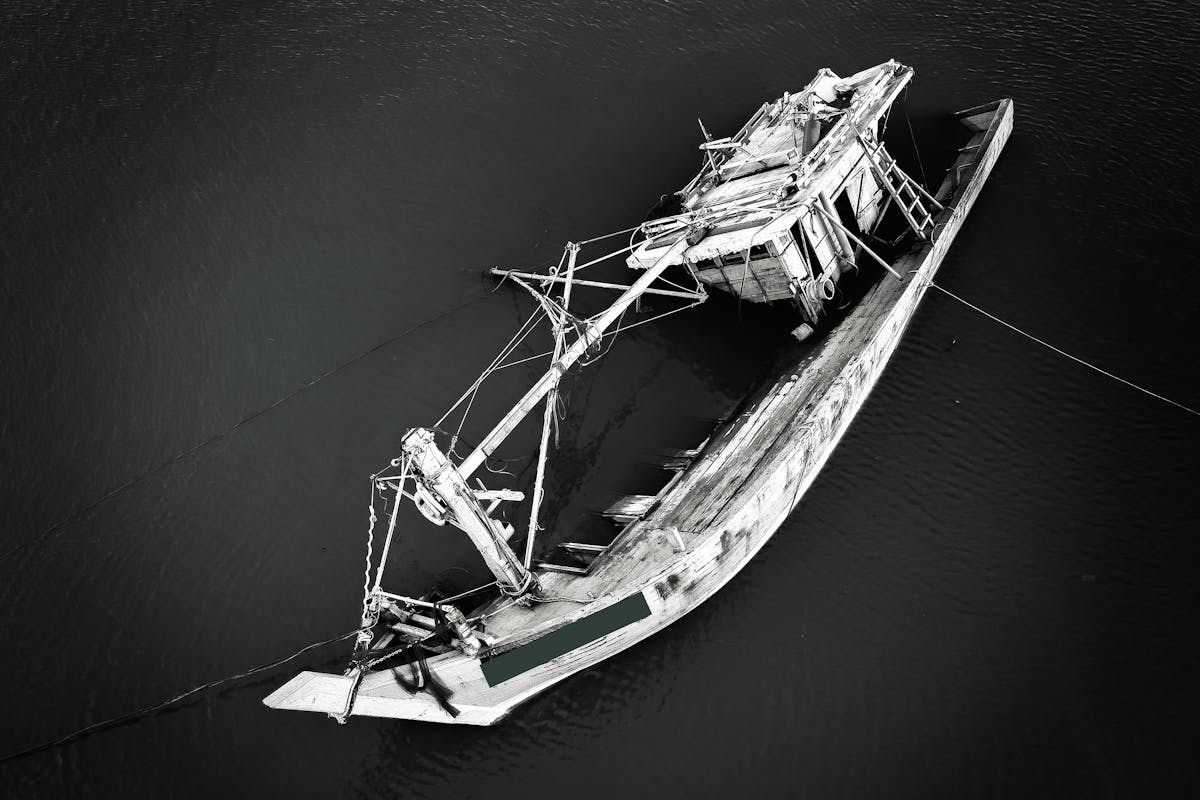
The sea does not care. It takes what it wants and leaves the rest to drift. A man can build something strong, something that holds against the wind and the waves, but one good storm can take it all away. Then he is left with what floats; broken beams, a splintered mast, the odd crate that refuses to sink. This is what remains. This is what he has to work with. A man who has sense does not waste time cursing the sea. He looks at what’s left, what might still be of use. He ties together what will hold,…
-
No one complains about having enough. Enough food, enough money, enough security; these are the markers of a good life. But what happens when “enough” turns into too much? When abundance, instead of liberating us, traps us? We don’t often think of excess as a burden. If anything, modern consumer culture teaches us that more is always better. More choices, more products, more opportunities. The economy thrives on this logic, turning every aisle, every webpage, every moment into a marketplace. But abundance, when pushed to its extreme, doesn’t always mean freedom. It can just as easily lead to paralysis. Psychologists…