There were towers in the city. Concrete towers. Glass towers. Towers that rose like teeth from the earth, biting at the sky. Some of them were crooked, some of them were proud, but all of them were tall and all of them stood alone. The people inside the towers looked out of them and down at the others, and when they walked the streets, they hurried with their eyes averted, as if ashamed of what they had made. But they did not stop building them. You could say we built them because we were cold. Or scared. Or proud. Maybe…

-
-
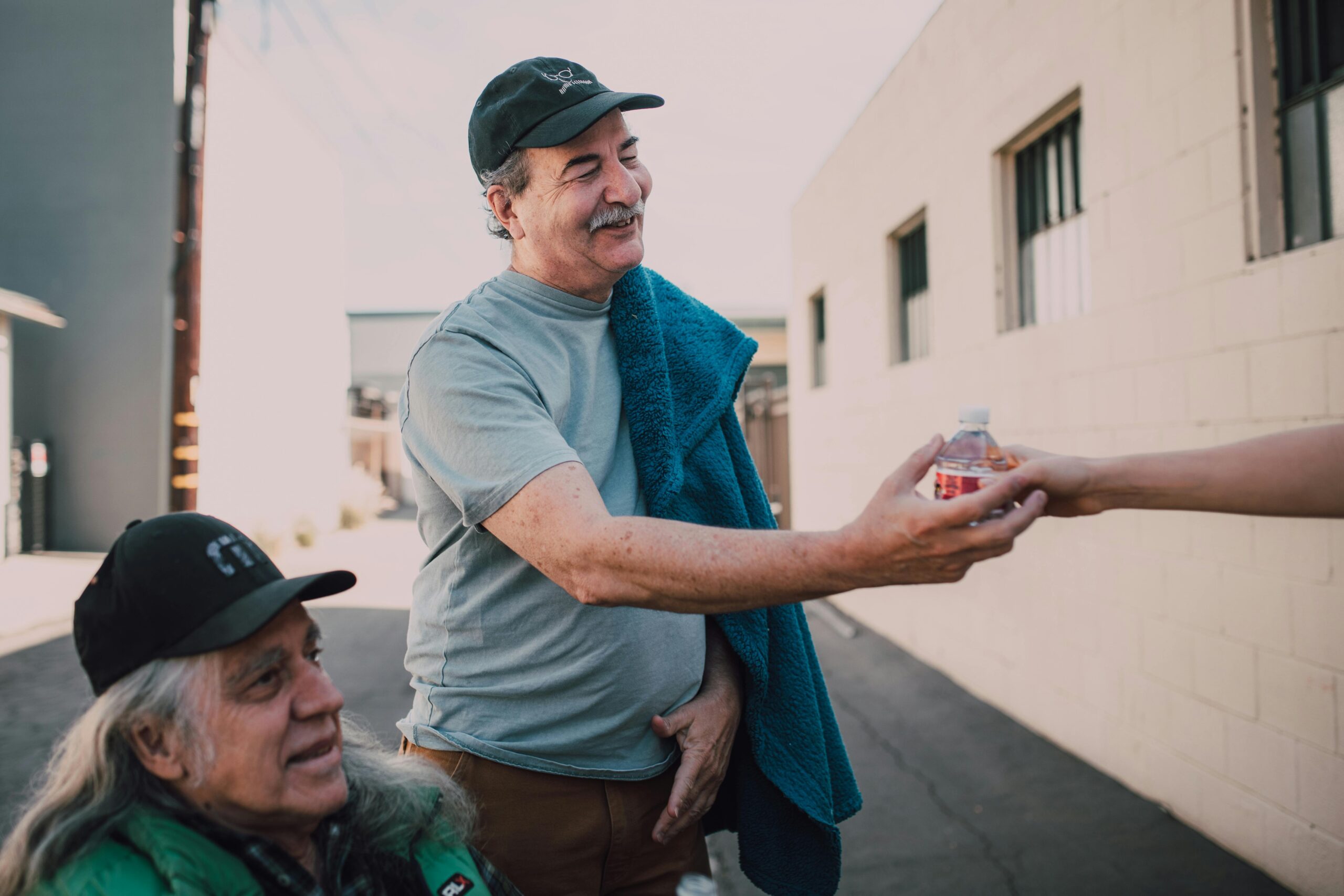
There are many who give money and many more who wish they could. And there is nothing wrong with that. You give what you have, and if what you have is money, then money will do. The world is broken in many places and money is a fast way to put a finger in the dam. But there is a kind of giving that does not move so fast. It has no receipt and does not pass through a tax man’s hands. It cannot be wired or withdrawn or marked as a donation. It is older than money and far…
-
There are moments when I read a book and feel as though the author is personally haunting me through time. That’s how I felt with The Handmaid’s Tale. Not the obvious stuff, like the forced baby-making or the red bathrobes (though I’ve worn enough shameful Halloween costumes to relate), but something subtler, something that got under my skin like a splinter of moral panic. It wasn’t the physical control of bodies that bothered me most; it was the realization that in a future creatively sterile world, people like me, or you, might be conscripted to bear not children, but ideas. An odd…
-
I’ve been accused of overthinking things. Like, a lot. My friend says that when I stare at a jar of pickles too long, it looks like I’m about to solve the riddle of the universe; or have a small stroke. And I suppose that’s fair. I mean, I once cried during an episode of Antiques Roadshow because I thought the furniture appraiser was some kind of an enlightened being; possibly my new guru. He had a kindly mustache and seemed to know everything about 19th-century sideboards. I mean, who wouldn’t feel spiritually seen? But lately, my brain has turned its neurotic spotlight toward…
-
Somewhere between the endless scroll of our overly-curated lives and the tightening squeeze of economic survival, the spirit of volunteerism has quietly withered. Fewer people show up to paint the community center, stock the food pantry, or sit with the elderly. The rot, like most societal rot, is slow, mostly invisible, and hard to reverse. When people ask why it’s so hard to find volunteers, the answers come in a few predictable forms: “People are too busy.” “No one cares anymore.” “Everyone’s struggling just to get by.” All of these are true, and none of them quite satisfy. Let’s start…
-
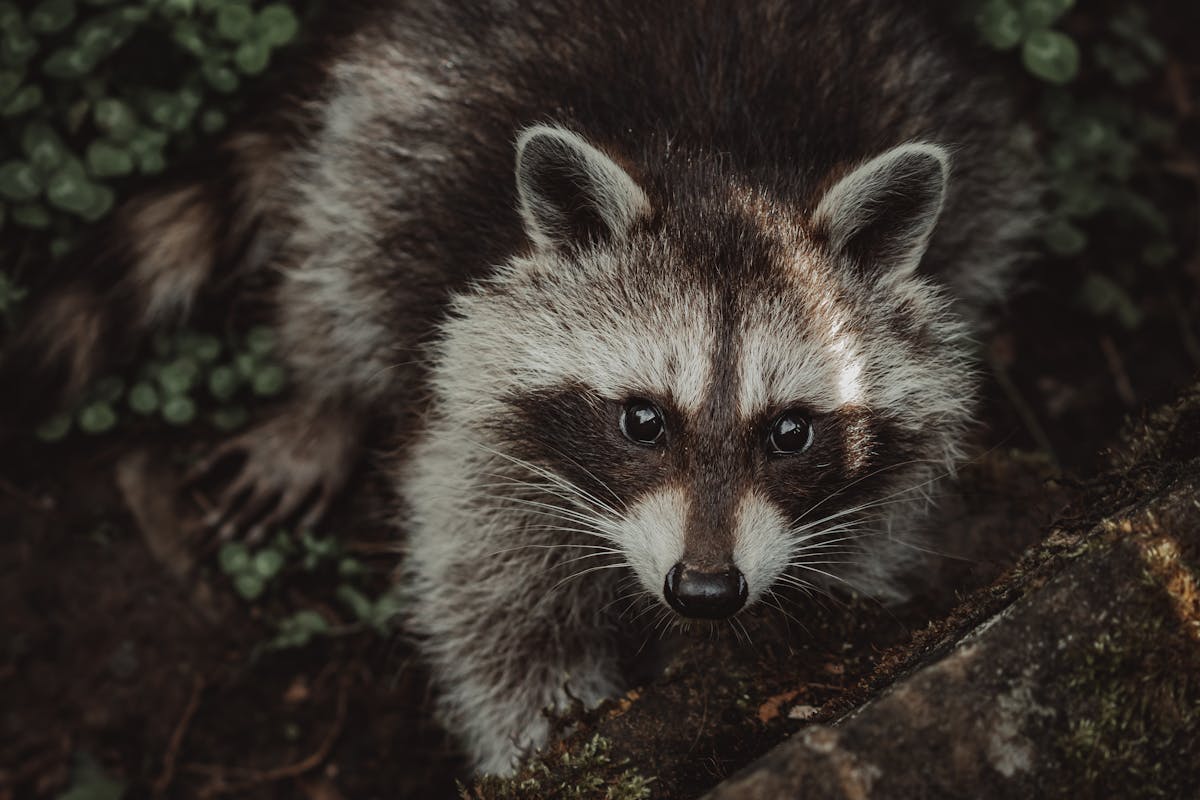
Let me tell you about the time I lived with a raccoon. Not officially, of course. I didn’t sign a lease with one or agree to split utilities, though judging by the amount of peanut butter it consumed, it really should’ve chipped in. The raccoon, let’s call him Clive, lived in the crawl space beneath my first apartment. I knew he was there. I heard the scratching, the weird little trills, the occasional thud that sounded suspiciously like he was rearranging furniture. And yet, for nearly eight months, I did nothing. Each night, I would fall asleep to the pitter-patter…
-
Our modern marketplaces are flooded with flashy ads and empty slogans, and the idea of a “brand community” can sometimes sound like marketing speak disguised as something meaningful. But Building Brand Communities is different. It cuts through the noise and gets to the heart of what really makes people stick with a brand: belonging. Carrie Melissa Jones, Charles H. Vogl, and Caroline Miller argue that people don’t just want products or services; they want to feel like they’re part of something bigger. They want connection, shared values, and a sense of home. And when brands figure that out, the relationship…
-
Charity has its place. When someone’s in real trouble; when the rent’s past due, or the fridge is empty, or there’s a medical bill hanging over their head like a storm cloud, charity can be a lifeline. It’s a quick way to help. No one should be faulted for giving, or for needing. Sometimes a crisis calls for exactly that kind of intervention. But charity, as helpful as it can be, often keeps people in separate lanes. One person gives, another receives. One has the resources, the other doesn’t. And while that might work in the short term, it creates…
-
Let me just start by saying, I am not what you would call a “neighborly” person. My general policy toward the people living on either side of me has always been polite disinterest. If I see them in the driveway, I might wave. If they wave first. And only if I’m already holding my coffee mug, which creates a useful shield of plausible distraction. I’m not rude; I’m just efficiently aloof. So when I first heard the term “radical neighboring,” I assumed it was some kind of extremist HOA movement; like maybe people going door to door to measure the…
-
I once had a therapist (I’ll call him Stuart, because that was his name) who told me that life is like a painting. “It’s your canvas,” he said. “You’re the artist.” This would have felt more inspiring if he hadn’t also compared my emotional maturity to a “toddler finger-painting with rage.” But the metaphor stuck. Mostly because I like to imagine my life as a painting hanging in some obscure museum’s hallway; somewhere between a Civil War boot collection and a stuffed squirrel posed to look like he’s playing the banjo. There it is: “Untitled (Still Becoming), mixed media, occasional…