




I’ve been reading a series of essays lately about building networks; about how social change leaders must come together, collaborate, cooperate, connect. And that’s absolutely true. I believe it wholeheartedly.
But let me tell you about my experience on the ground.
I belong to many groups of social change leaders. We have Zoom calls weekly; sometimes two or three times a week. We talk about the change we want to see. We talk about what needs to happen and how to make it happen. And honestly? We know what we’re talking about. We’re not amateurs. We’ve been doing this work for years, some of us for decades. Between us, we have an almost encyclopedic knowledge of the issues, the history, the obstacles, the solutions.
So then why isn’t change actually happening? Because there’s a critical ingredient missing from the equation.
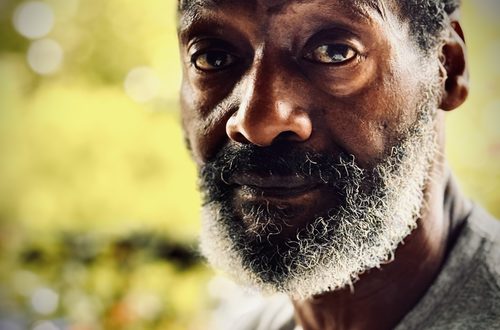
We’re a group of chiefs with no tribe. All leaders, no community. All generals, no army. We have experience, expertise, passion, and vision in abundance. What we don’t have are workers. Everyday community members. The people who are actually most affected by the very issues we sit on our Zoom calls discussing.
Which means that, if we’re being really honest with ourselves, we’re not a movement. We’re a think tank. A well-meaning, deeply committed, slightly exhausted think tank; talking a lot, trying desperately to move the needle, but struggling to make the kind of tangible progress that actually changes lives.
And that brings me to what I think is the most urgent and underexamined question in this whole conversation about networks and collaboration: community building itself.
Not building networks of leaders. Building genuine relationships with the broader community; the people we say we’re fighting for. Because all the ideas and ideals in the world don’t make much of a dent if the people most impacted aren’t at the table. Aren’t in the room. Aren’t even in the Zoom call.
That’s the puzzle we keep returning to in our meetings, week after week. How do you reach people who are burned out, skeptical, overstretched, or simply surviving? How do you build trust with communities that have been promised change before and seen very little of it? How do you turn a network of leaders into an actual movement?
We’re still working on it. Still asking the questions. Still hoping that one day, the answer becomes a little clearer.
So if you’ve cracked the code, if you have the magical solution to genuine community engagement, please, for the love of everything, find your nearest community leader and let them know.
We’ll be on Zoom.