




There’s a useful way to look at the world, though it’s not the way we’re usually taught.
We imagine nations as independent actors, each standing on its own. We imagine economies as things that simply happen; the product of effort, ingenuity, the occasional stroke of luck. We imagine that the wealth of the wealthy reflects some proportionate virtue, and the poverty of the poor some proportionate failing.
But that isn’t quite right, and most people sense it isn’t right, even if they can’t say why.
What we actually have is a system. It has layers. Some places extract. Some manufacture. Some collect the larger share of the profit and have done so for long enough that the arrangement begins to look natural, even inevitable. It isn’t natural. It’s a structure. Structures can be examined. They can sometimes even be changed.
This matters because the structure has consequences for ordinary life. A region becomes known for one thing (cotton, coal, cheap labor) and can’t seem to move beyond it. Economies organize themselves around feeding something distant and abstract. A man works hard and his work creates value. But the value travels. It moves up and out, through systems he can’t see, into hands he’ll never shake.
After a while, you begin to wonder. Are these really independent economies, or are they organs in a larger body; a body that didn’t ask their permission in the first place?
Now. The temptation at this point is cynicism. To conclude that the game is fixed, the outcomes predetermined, the real decisions made by people in rooms we’ll never enter.
That temptation should be resisted.
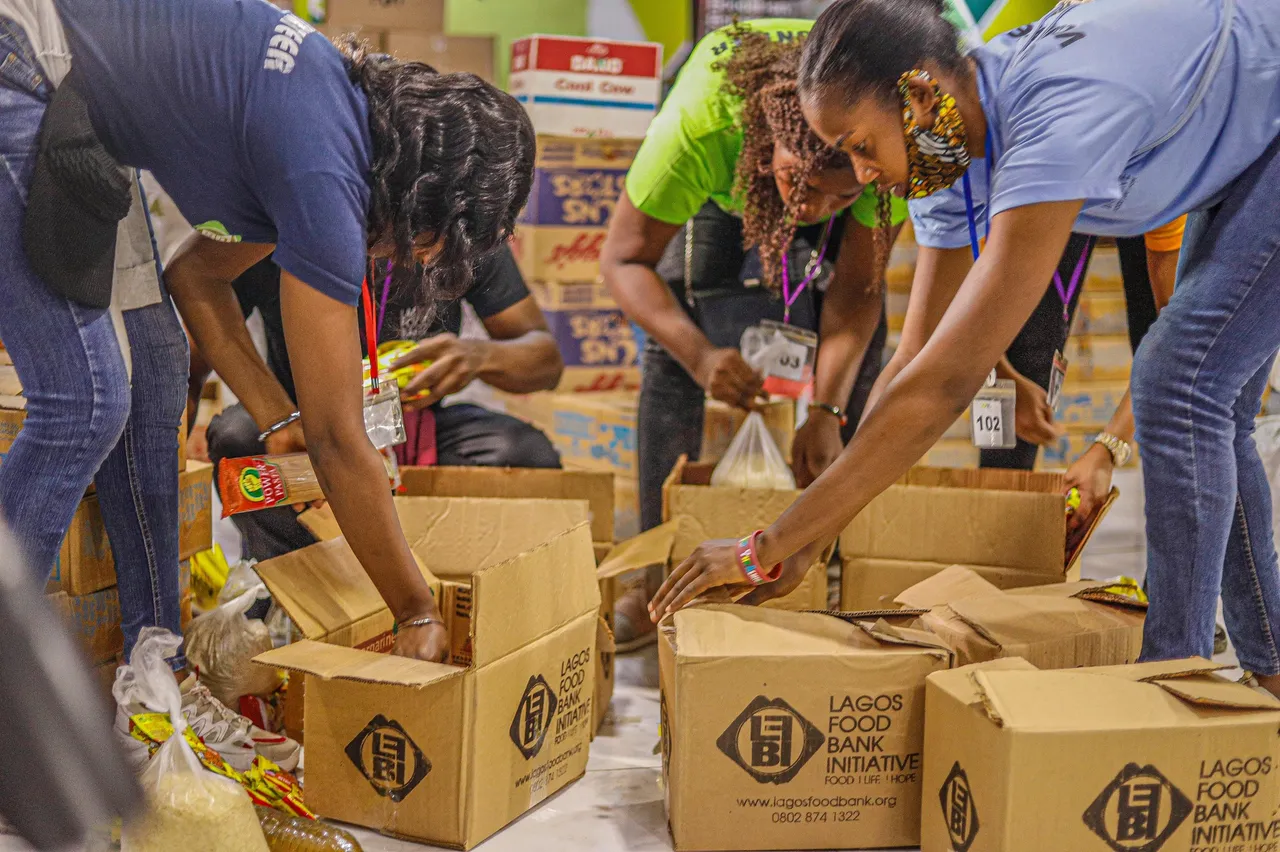
Because even within large, indifferent systems, there are smaller spaces. Local spaces. Human-scale spaces. The kind where people still look each other in the eye, where what you give and what you receive are visible and immediate, where the transaction is also a relationship.
Most of modern economic life is built on distance. We give our time, our labor, our care; and the value of all of it travels far away, into companies and markets whose names we may not even know. It’s efficient. It’s productive. The lights come on when we flip the switch.
But it can feel rather thin. Hollow, some might say.
But what if?
What if some of that value didn’t travel quite so far? Not all of it, anyway. The broader economy remains; I’m not proposing to reinvent the wheel. But still, some portion stays. Stays near the people who created it. Stays in the neighborhoods and the communities.
This is the animating idea behind locally built systems. Time Co-Ops, for example. The premise is almost disarmingly simple: In healthy communities, people don’t step up because they’re paid. They step up because they belong. Because they care. Because trust flows both ways. Each meaningful contribution adds to a person’s social capital; a living record of reliability, generosity, and impact. By making contribution visible, communities recognize their, often unseen, backbone; the people who keep things from falling apart. And, over time, that visibility opens doors. To connection. To collaboration. To shared opportunity. Because trust naturally attracts trust.
And there’s a small and meaningful reorientation embedded in that simplicity. What you give is recognized and valued. And when that happens locally, among people who know one another or are beginning to, something changes. People are noticed. Really noticed for the fact that they showed up and did something useful for someone else.
That’s not nothing. In many communities, it’s everything.
This doesn’t overturn the larger system. It doesn’t propose to. It runs alongside it, as a kind of ballast; reminding people that not all value must move upward, that not all meaning must be abstract.
We have come to assume that scale is success. Bigger systems, broader reach, greater efficiency. There’s some truth in that. The industrial economy lifted billions out of poverty, and we shouldn’t be cavalier about what it cost and what it built.
But there are limits. Trust doesn’t scale easily. Belonging isn’t a product that can be mass-produced and shipped. These things are built slowly, between specific people, in specific places, over time.
So perhaps the useful question isn’t who controls the system or how to change it, but where, in your own life, can something real be built? Where can value stay near enough to be seen, touched, passed from one hand to another?
It’s not a grand answer. But it may be a sufficient one. And in a country that has suffered a great deal from grand answers lately, sufficient is not nothing.
Join us in making the world a better place. You’ll be glad that you did. Cheers, friends.