Viktor Frankl’s book; Man’s Search for Meaning is a profound exploration of human suffering, resilience, and purpose. Drawing on his harrowing experiences as a Holocaust survivor and psychiatrist, Frankl proposes that the quest for meaning is the fundamental driver of human behavior. The book is divided into two parts: the first is a deeply personal narrative of his time in Nazi concentration camps, while the second outlines his psychological theory of logotherapy – a form of therapy centered on finding meaning in life. Frankl’s Story: The Struggle to Find Meaning in Suffering Frankl recounts the unimaginable horrors he endured as…

-
-
The Bible has, for more than 1500 years, been a source of wisdom when it comes to navigating life, yet its most profound principles are often elegantly simple. Two key passages distill the essence of righteous living: James 1:27 and Matthew 22:37-40. Together, they offer three guiding principles: love God with all your being, love and care for others, and maintain personal purity. If embraced, these principles provide a straightforward framework for living a life that not only pleases God but brings fulfillment and contentment. 1. Loving God with Everything You Have In Matthew 22:37, Jesus says, “Love the Lord…
-
Time banking is a way for communities to capture value without monetary cost through the recognition of individuals’ skills and time by the use of an indirect time-tracking instrument. Active engagement in time banking partnerships can enable members of a community to grow their personal networks, make lasting friendships, gain the knowledge and skills they need, obtain products/services with their time, grow in self-confidence, and support those at risk of “falling through the cracks”. Over time, time banking can generate profound social change and economic gains by developing human capital and reducing the financial burden of individuals and businesses... Exercises…
-
We are not held responsible for the hand that we have been delt in life but we are, most certainly, held responsible for the way that we play that hand. Life is not a game of fairness but rather one of uncertainty. The cards that we are dealt – our circumstances, environments, talents, and burdens – come without our choosing. Some are born into wealth, others into poverty. Some inherit good health, while others struggle with illness from the beginning. Our early experiences are shaped by factors far beyond our control, be it family upbringing, access to education, or the…
-
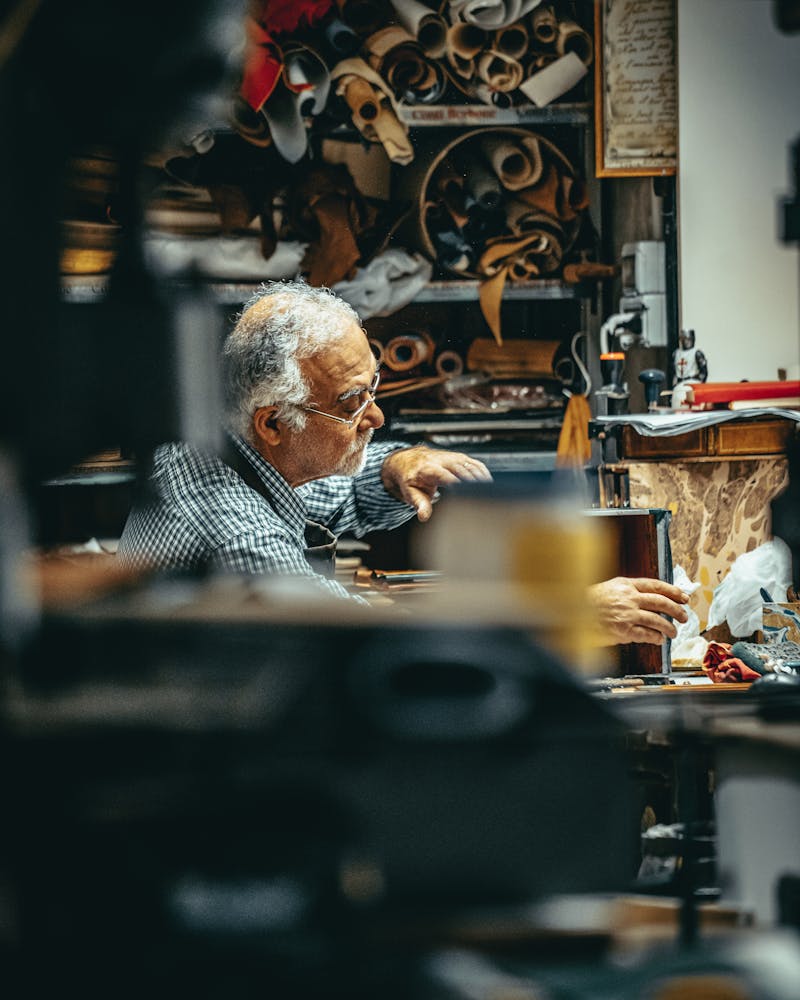
There’s an old saying that insists, “If it’s worth doing, it’s worth doing well.” This sentiment comes to us today from a time when quality was actually important, when craftsmanship was appreciated, and when people took pride in building and creating things that would last. But with the rise of the Industrial Revolution, followed by the advent of the consumer-driven economy that we “enjoy” today, that ideal has been largely eclipsed. Now, our society often equates “living the good life” with accumulating more – more possessions, more options, and more convenience. Somewhere along the way, the pursuit of quality gave…
-
In our communities we see that ever-increasing needs is becoming the norm – many of them urgent – and community service and outreach programs strive to selflessly meet those needs, offering resources to those struggling to make ends meet. The intention behind such programs is simple: to provide assistance, support, and guidance to help people improve their circumstances and/or to meet immediate needs so that those same people can go on to solve more long-term needs on their own. However, one of the harsh realities of community work is this: not everyone who needs help will take the necessary steps…
-
Most of what we regard as important in life is a carefully constructed illusion – empty pursuits that masquerade as meaning but ultimately amount to nothing more than distractions. The glittering ambitions of wealth, fame, and power entice us, yet they lead to hollow and temporary victories. We aspire to material comfort, indulge in momentary pleasures, and chase after status, all while hoping to quell the deeper sense of discontent that plagues us all – the desire to love and be loved. Desire, in and of itself, is not inherently wrong. It is natural for human beings to want happiness,…
-
The concept of “life-ing” has been experiencing a resurgence, though its origins date back to the 1880s when it was introduced by poet and novelist George MacDonald. His definition of the term was deeply rooted in a philosophical and spiritual view of life, proposing that true life begins when a person becomes aware of their own existence, a form of “second birth.” This idea raises interesting questions about the nature of existence, self-awareness, and the active role we should play in shaping our own lives. In examining how “life-ing” was perceived in the past and what it could mean for…
-
In James 3:13, the Bible teaches, “Who is wise and understanding among you? Let them show it by their good life, by deeds done in the humility that comes from wisdom.” This verse exhorts us to recognize and practice true wisdom – not in abstract knowledge or lofty words but in the way that we live and act, especially in humility. Wisdom, as defined, is more than just knowing what is right -it is applying that knowledge with discernment and justice in our actions. Today, many people – politicians, business leaders, and even church leaders -project an image of wisdom.…
-
We are all very familiar with the fact that the world has become, in one very big way, smaller. With the bursting onto the scene of the internet in the late 90s, we have all become connected and interconnected in a way that could never have been imagined just a few decades ago. And now that we are in an era of hyper-connectedness, have we lost what it means to be connected? When I was growing up in the 70’s, there was very little technology. We had a hard-wired phone hanging on the wall in the kitchen and four channels…