I Imagine and Re-imagine Community Social Safety Nets… Social safety nets that are community-based systems able to catch those who fall through the cracks of the larger public systems. The answer to social precarity cannot be entirely top down. A big part of the answer must come from the bottom up; community based initiatives. I imagine and re-imagine community as necessary social infrastructure for the future. Because the truth is, modern life has become increasingly precarious for a lot of people. More people are falling through the cracks of large institutional systems than most societies are comfortable admitting. Economic instability.…
-
-
We carry in our pockets little glowing machines that can instantly show us war, collapse, outrage, scandal, disaster, betrayal, economic panic, social conflict, and existential dread… twenty-four hours a day. Why do we call this “staying informed”? I don’t think most people are truly informed anymore. About anything. I think most people are just chemically trapped. And let me tell you something… dopamine is not always our friend. People talk about dopamine like it’s happiness. It’s not. Dopamine is anticipation. Seeking. Craving. It’s the neurological itch that says: maybe the next scroll will contain something important. And social media platforms…
-
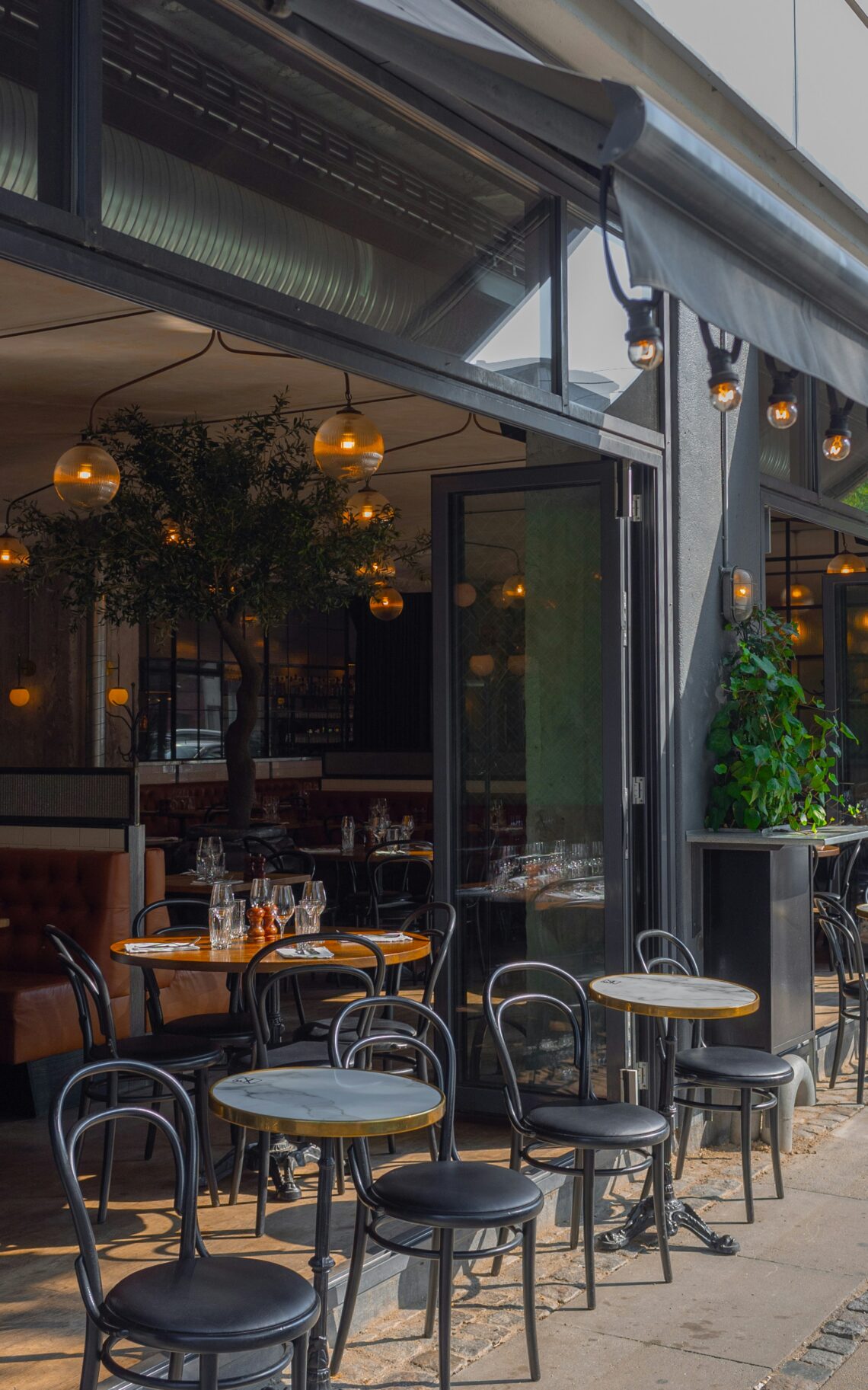
I talk a lot about qualitative living versus quantitative living. Most people nod when I say it. They get the concept immediately. But getting it conceptually and actually living it; those are wildly different things. So let me make it concrete. When I lived in France, I watched people do something that most Americans never do. After work, they didn’t go home. They went to a café (a brasserie) and they sat with their people. Friends. Family. Neighbors. For hours. Talking. Laughing. Not doing anything productive. Not generating anything. Just being together. That’s what I call Café Culture. It’s not…
-
By River Stephens Executive Summary Modern society is experiencing a crisis of fragmentation. Communities are dissolving. Institutions are losing trust. Economic systems increasingly reward extraction over contribution. People are more digitally connected than ever before, yet profoundly isolated from one another. This white paper proposes a different framework for understanding the future of society and economics: That the most valuable form of capital may not be financial capital at all… but social capital. Human civilizations have always functioned on trust networks. Long before modern banking systems, contracts, or digital currencies, communities survived through reciprocity, reputation, cooperation, and mutual obligation. Modern…
-
I’ve been mulling over a simple (or complex) question: What if the firm isn’t the end state… but just a workaround? That’s really what Ronald Coase was getting at in The Nature of the Firm. Firms exist because coordinating through the open market is inefficient. Expensive. Complications everywhere. So we built organizations to contain that chaos; to reduce the cost of figuring things out. It made sense. It worked. But what happens when the reason they existed starts to… become less necessary? Because that’s where we are now. And information automation has changed the playing field. The old solution: structure…
-
What interests me about Into the Forest by Jean Hegland is that it doesn’t portray collapse the way Hollywood usually does. It’s not the result of some singular dramatic event like a zombie apocalypse or EMP. No giant explosion. No obvious “end” point. Things just slowly stop working. The lights go out. Supply chains fail. Institutions become unreliable. And little by little, two sisters realize that the systems they trusted were never as permanent as they seemed. Honestly… that feels far more realistic to me than any other scenario that I can think of. That steady domino-effect of a Meta-crisis. …
-
Most Americans rarely stop to think about what has real value. We’ve been trained our whole lives to think of value in terms of money. How much does something cost. And even if we take a more philosophical approach, as did Warren Buffett when he said; price is what you pay, value is what you get – we’re still missing the real value proposition. So what is the real value proposition you might ask? A value proposition is simply a clear explanation of why something matters… why someone should care, participate, invest, join, support, or believe in it. In traditional…
-
The Catcher in the Rye follows a few restless days in the life of Holden Caulfield, a disillusioned sixteen-year-old boy who has just been expelled from yet another prep school. Instead of going home and facing his parents, Holden wanders around New York City alone, drifting through hotels, bars, conversations, memories, and moments of quiet panic. The novel isn’t really driven by plot as much as by mood and observation. Holden spends most of the story trying to make sense of a world that feels fake, performative, and emotionally hollow to him. He constantly calls people “phonies,” but underneath that…
-
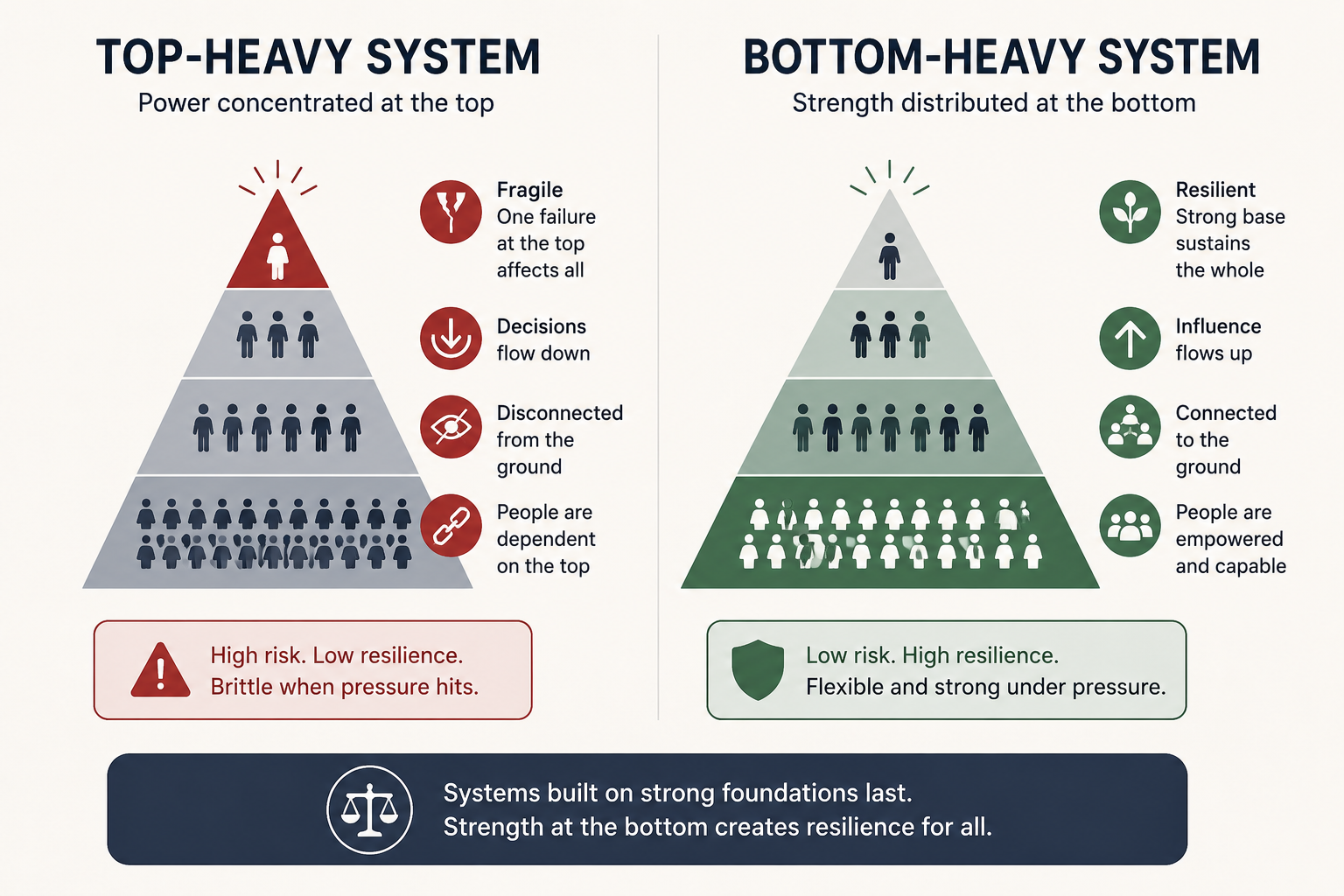
Popular thought has always been that systems should be top-heavy. That strength comes from centralization. From concentration. From a few people at the top carrying the weight of the whole structure. Governments. Corporations. Institutions. Even communities sometimes. We’re taught that stability comes from hierarchy… from control flowing downward. But I wonder if that’s backwards. Because the strongest things in nature are often bottom-heavy. Trees don’t survive entirely because of the leaves at the top; they survive mostly because of the roots underneath. Ecosystems don’t function because one organism dominates everything else. They function because millions of small interactions support one…
-
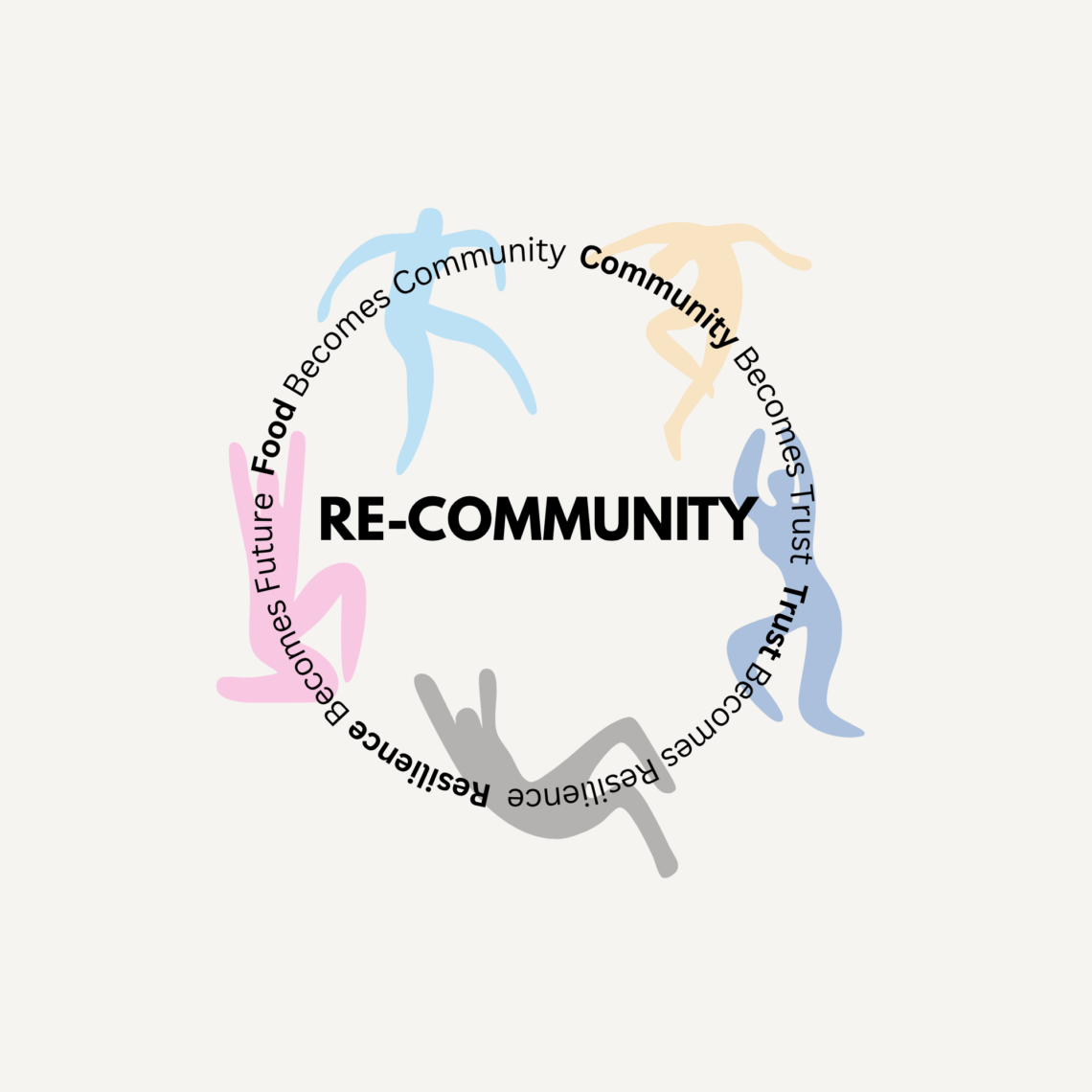
What if the future of struggling communities isn’t charity… but re-seeding? Not just with money. Not just with programs. But with the actual conditions required for healthy communities to grow again. It all starts with tangible human needs while, at the same time, rebuilding the invisible architecture underneath them. That’s a powerful chain reaction. When you really look at many dying neighborhoods, towns, and forgotten places, you realize they aren’t suffering from a single problem. They’re suffering from collapse at every layer. Food deserts. Healthcare deserts. Education deserts. Opportunity deserts. Social deserts. Meaning deserts. A lot of these struggling communities…