• Culture - Health and Wellness - Making Money - Social and Self-Help

    The Monetization Hamster Wheel

    There was a time when the word monetization sounded sophisticated to me. It had the same sort of glow as passive income or thought leader. These were things successful people said while standing on stages with wireless microphones and wearing sneakers that cost more than my car. I assumed monetization meant getting paid to do something you already loved. What I eventually discovered was that it mostly meant finding increasingly creative ways to annoy strangers until a very small percentage of them bought something. You know… The carnival game business model.  As someone who’s built more than a few platforms…

  • Culture - Finance and Economy - Health and Wellness - Making Money - Social and Self-Help

    The One Resource That Grows When You Share It

    Thomas Malthus believed humanity would eventually run into the hard limits of the natural world. And he wasn’t wrong. Clearly, every physical resource has a limit. Water. Land. Timber. Oil. Even time. Use enough of any finite resource and eventually you’ll discover where its boundary lies. And, believe-you-me, nature keeps careful accounts. But I’ve been wondering if we’ve spent the past two centuries arguing about the wrong thing. The real question isn’t whether resources are finite. Of course they are. The better question is: are all forms of wealth finite? And I don’t think they are! If I give you…

  • Culture - Finance and Economy - Health and Wellness - Making Money - Social and Self-Help

    New Insights on Capacity

    I’ve spent much of my career thinking I was trying to solve problems. Whether they be… Poverty. Homelessness. Healthcare. Food insecurity. Community. And those are indeed worthy problems; they deserve our attention. But lately I’ve begun to wonder if they aren’t the real subject of my work. Perhaps the deeper question is capacity. Why do some people thrive after a setback while others never recover? Why do some neighborhoods seem to solve problems almost instinctively while others remain trapped in cycles of crisis? Why do some organizations accomplish extraordinary things with limited resources while others struggle despite having every advantage?…

  • Culture - Social and Self-Help

    Three Daily Pauses

    I find that the three daily prayers observed by many Orthodox Jewish men are worth thinking about. Even if you’re not Jewish. Even if you’re not religious.  One prayer in the morning. One in the afternoon. One in the evening. And I find myself interested in the structure. The pause. The intentionality. The reflection. Because what’s underneath the prayers is an idea that can apply to anyone. Everyone. The morning prayer is about intention. The afternoon prayer is about correction. The evening prayer is about reflection. And I think that’s a pretty good framework for life. Most people begin the…

  • Culture - Health and Wellness - Social and Self-Help

    Bearing Witness to Love

    For years, I’ve thought of myself as someone who serves the poor. But I’m beginning to wonder if that’s not one layer off. Perhaps my vocation is more accurately described as bearing witness to love. Serving the poor is the primary way I’ve been called to bear that witness. Building better systems is another. Writing is another. Even my interest in community isn’t separate from this. If, as I believe, love is the only thing of lasting value, then every system worth building is simply a system that makes love easier to express. This reminds me of something Mother Teresa…

  • Culture - Health and Wellness - Social and Self-Help

    Building the Ne’er-Do-Well Generation

    I saw the phrase ne’er-do-well this morning and felt; there’s something to be said about this idea.  In the nineteenth-century Australasian colonies, it referred to young British and Irish men who had somehow failed to become what society expected. Many were younger sons from wealthy families. They weren’t going to inherit the estate. They weren’t expected to carry on the family name. So they were shipped off to the colonies with a modest allowance and the vague hope that hardship might accomplish what privilege had not. They became known as remittance men because they lived on money sent from home.…

  • Culture - Social and Self-Help

    Community Resource Advocacy: It’s More than Flyers

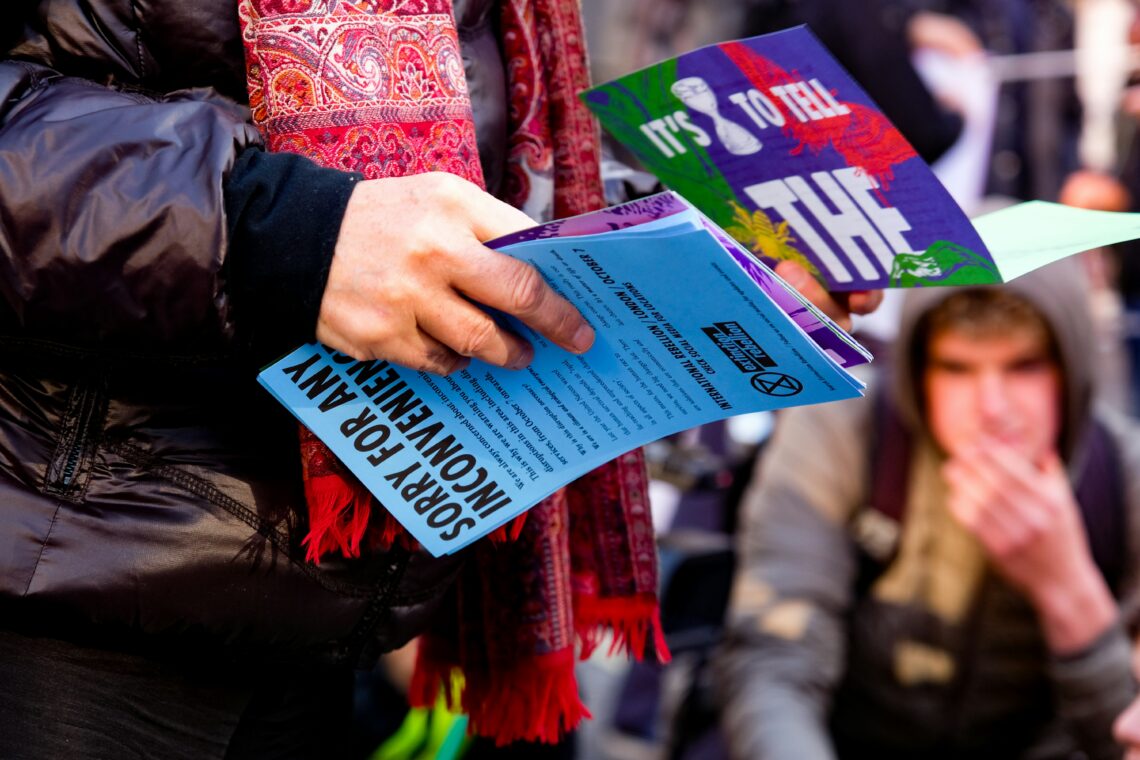
    One of the things I try to remind our Community Resource Advocates is that people rarely come to us because they’re having a good day. Most of the people who walk through our doors are facing a problem they don’t know how to solve. They’ve already talked to friends, searched online, made phone calls, and tried to figure it out on their own. By the time they sit down with us, they’re often scared, frustrated, overwhelmed, and running out of options. What may seem like a simple question is often only the visible part of a much larger problem. Someone…

  • Culture - Finance and Economy - Health and Wellness - Making Money - Social and Self-Help

    Which Came First, the Chicken or the Egg? Really?

    When we encounter someone living in chronic need, there’s often an unspoken question lingering beneath the surface. How much of their situation was caused by their choices? And how much of their choices were caused by their situation? It’s the social equivalent of asking which came first: the chicken or the egg. People often divide themselves into camps. One group focuses on personal responsibility. They see bad decisions leading to bad outcomes. Poor financial choices lead to debt. Addiction leads to instability. Failed relationships lead to isolation. Looking at the world through this lens, the solution seems straightforward: make better…

  • Culture - Social and Self-Help

    Mary Parker Follett: Her Ideas Still Matter

    The purpose of leadership is not to direct people, but to create the conditions under which people can discover and exercise their collective power… to paraphrase her work. Mary Parker Follett seems to become more relevant with every passing decade. She wrote in the early twentieth century, yet many of the ideas people celebrate today (systems thinking, collaboration, collective intelligence, network leadership, community engagement, and participatory decision-making) can be found in her work long before they became fashionable. In her work, she clearly understood something many people still struggle to grasp: people are not problems to be managed. Communities are not machines…

  • Culture - Finance and Economy - Health and Wellness - Making Money - Social and Self-Help

    You Can’t Just Lean on a Shovel and Pray for a Hole.

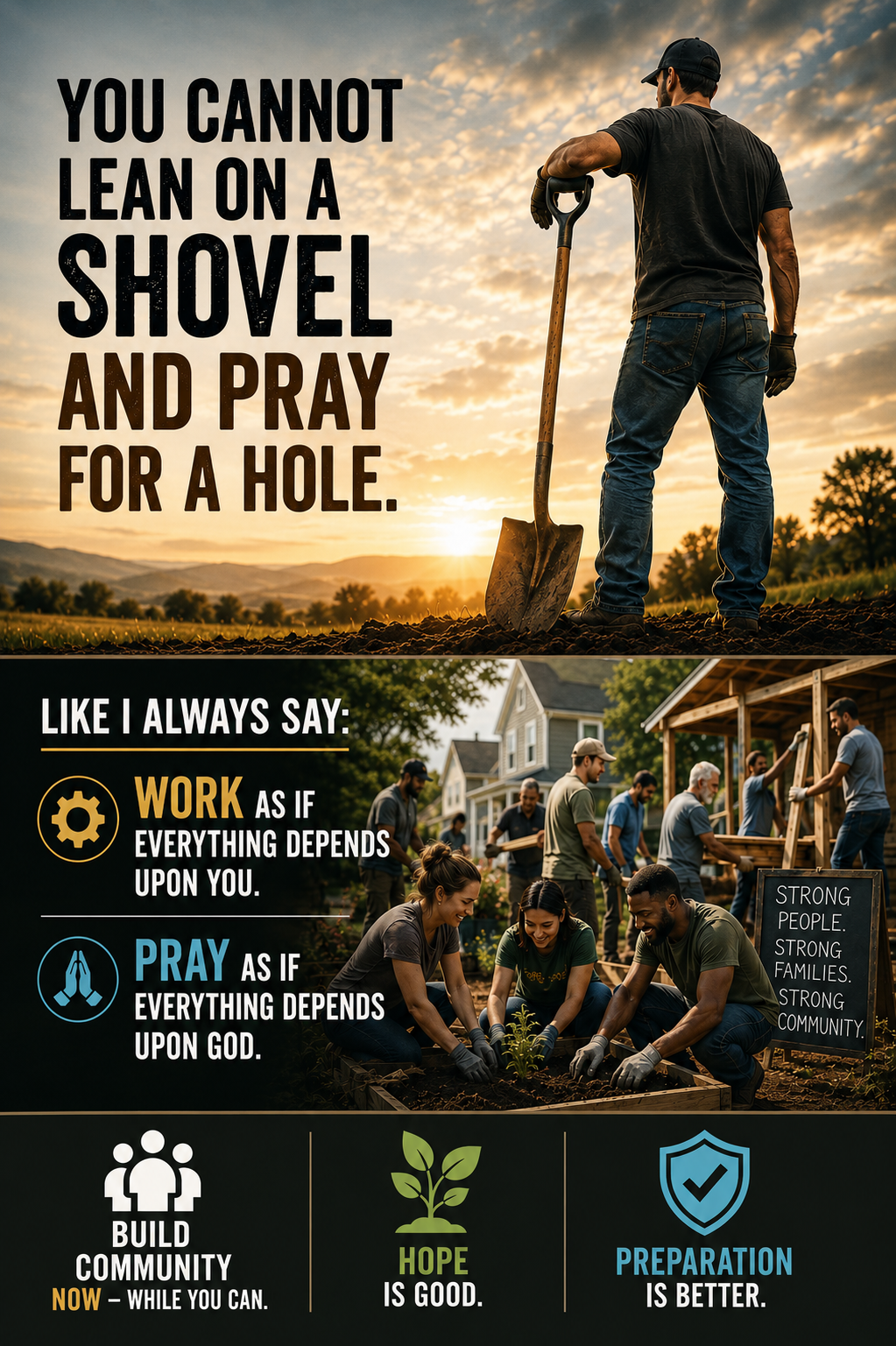
    I guess it sounds obvious when you say it that way. But, people do it all the time. We hope for better relationships while isolating ourselves from our neighbors. We hope for stronger communities while spending little time investing in them. We hope someone will solve the problems around us. We hope someone else will take the first step. Hope is necessary. Prayer is fundamental. Faith is all we have sometimes. But none of those things were ever intended to replace action. Like I always say: work as if everything depends upon you and pray as if everything depends upon…